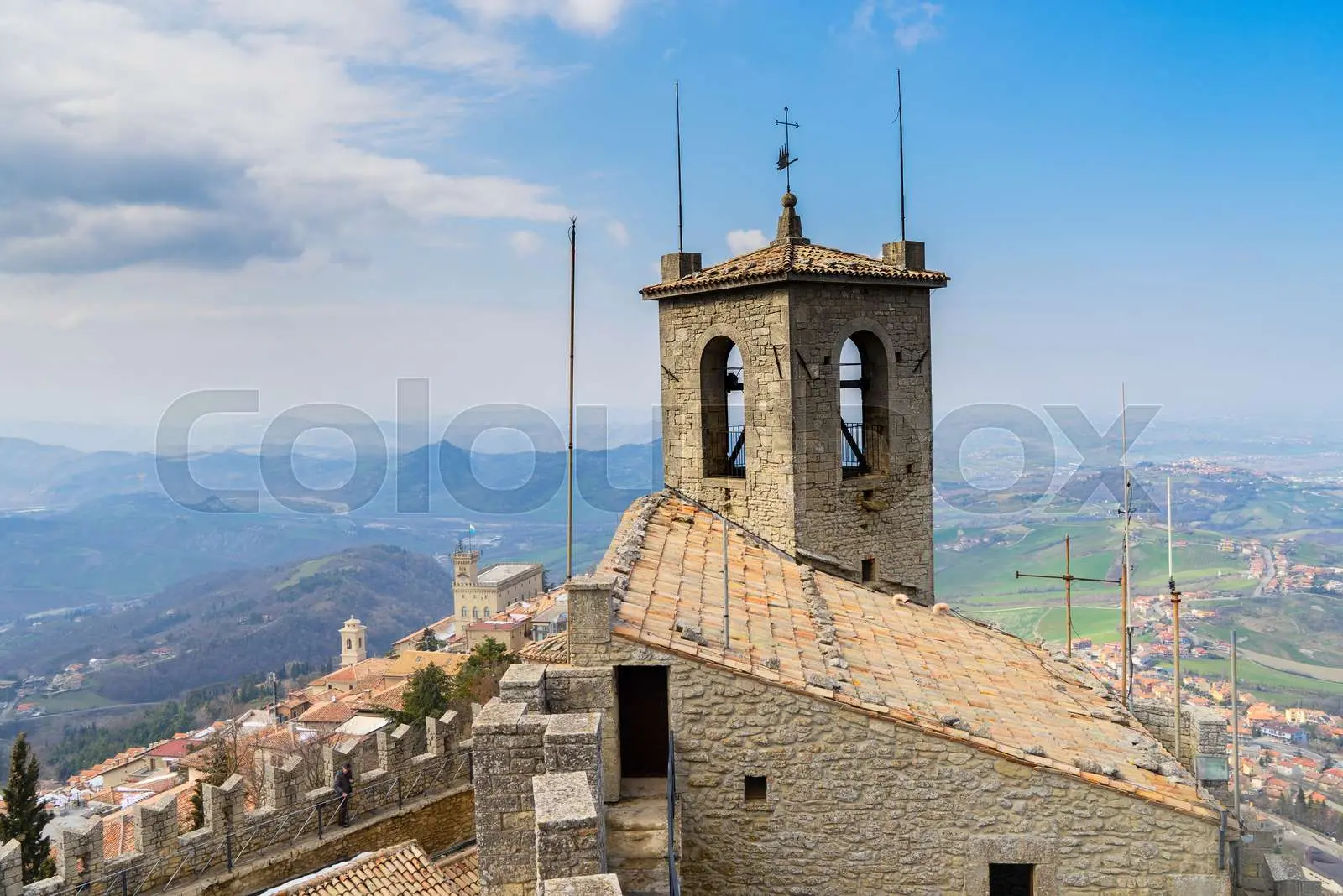
Introduction to San Marino
San Marino, a small but historically rich republic surrounded by Italy, is one of the oldest sovereign states in the world. Established in A.D. 301, it boasts a unique blend of medieval architecture, mountainous landscapes, and a vibrant cultural heritage. With its growing recognition as a travel destination, San Marino’s small size belies a wealth of history and stunning scenery that attract tourists from around the world.
Historical Significance
San Marino is renowned for its historical significance as it is one of the last remaining city-states that has maintained its independence throughout the years. The Three Towers of San Marino: Guaita, Cesta, and Montale, symbolize the republic’s strength and resilience. These fortifications, perched atop Mount Titano, offer panoramic views that underscore the stunning natural beauty of the region.
Recent Developments and Tourism
In recent years, San Marino has embraced tourism as a vital part of its economy. According to the latest statistics from the San Marino Tourist Office, the republic welcomed over 3 million visitors in 2022, showcasing an increase of 12% compared to the previous year. The government has invested in infrastructure to improve transport links and visitor amenities, making it easier for tourists to explore its historic streets, local artisan shops, and eateries serving traditional Sammarinese cuisine.
Events and Culture
San Marino is also home to a variety of cultural events, with the most notable being the Medieval Festival held annually in July. This celebration showcases the rich traditions of San Marino through parades, jousting, and market stalls. Additionally, art exhibitions and music festivals that highlight local talent further enrich the cultural landscape of the republic.
Conclusion: The Future of San Marino
As San Marino continues to captivate visitors with its blend of history, culture, and scenic beauty, it is poised for sustainable growth in tourism. With continued investment in its infrastructure and preservation of its historical sites, San Marino will no doubt remain a cherished destination in Europe. For readers, understanding San Marino’s significance offers a broader appreciation for the diversity and richness of the European landscape.
