Introduction
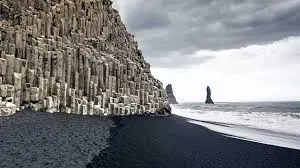
Reynisfjara Beach, located on Iceland’s southern coast near the town of Vík í Mýrdal, is not just any beach; it is a stunning geographical marvel that attracts thousands of tourists each year. Famous for its unique black sand, towering basalt columns, and dramatic sea stacks, Reynisfjara offers visitors an exceptional glimpse into the natural beauty and geological wonders of Iceland. As climate change and tourism continue to shape the landscape, understanding the importance of this site becomes increasingly relevant.
Geological and Natural Features
Reynisfjara Beach is characterized by its striking black sand, a result of the volcanic activity prevalent in Iceland. The beach is lined with basalt columns, formed from the cooling of lava, which are reminiscent of organ pipes. The Reynisdrangar sea stacks, rising majestically from the sea, are steeped in folklore. According to legend, they are the petrified remains of trolls who were caught in sunlight while attempting to drag a ship to shore. These natural features contribute to the beach’s renowned beauty, making it a photographer’s paradise and an essential stop for nature lovers.
Tourism and Safety Concerns
In recent years, Reynisfjara Beach has become increasingly popular, drawing visitors from around the world. While the beach’s allure is undeniable, it is also important to highlight the safety concerns associated with visiting. The powerful waves and unpredictable currents can pose significant dangers, with warnings in place to prevent accidents. Visitors are advised to stay behind the marked safe zones and to be vigilant of the waves, as “sneaker waves” can unexpectedly rise and have been known to sweep individuals into the sea.
Environmental Impact and Preservation
As one of Iceland’s most popular natural sites, Reynisfjara Beach faces challenges regarding environmental preservation. The increase in foot traffic has raised concerns among conservationists about the potential damage to the fragile ecosystem. Local authorities are implementing measures to balance tourism with environmental sustainability, including better signage, increased patrols to ensure visitor safety, and initiatives to educate tourists about preserving the beach and its surroundings.
Conclusion
Reynisfjara Beach remains a breathtaking example of nature’s artistry, blending beauty with the raw power of geology. It draws a diverse crowd—from adventurers and photographers to environmental enthusiasts—eager to witness its splendor. As tourism grows, it becomes crucial for visitors to respect the rules and regulations in place to protect this iconic location. Understanding its significance helps ensure that Reynisfjara Beach remains an awe-inspiring destination for generations to come.
