Introduction: The Importance of Alaska
Alaska, the largest state in the United States, is often referred to as ‘The Last Frontier.’ Its vast and rugged wilderness is not only a unique geographical entity, but it also holds deep cultural and ecological significance. With enduring natural beauty and rich biodiversity, Alaska draws millions of visitors each year, making it a crucial component of America’s natural heritage and economy.
The Beauty of Alaska’s Landscapes
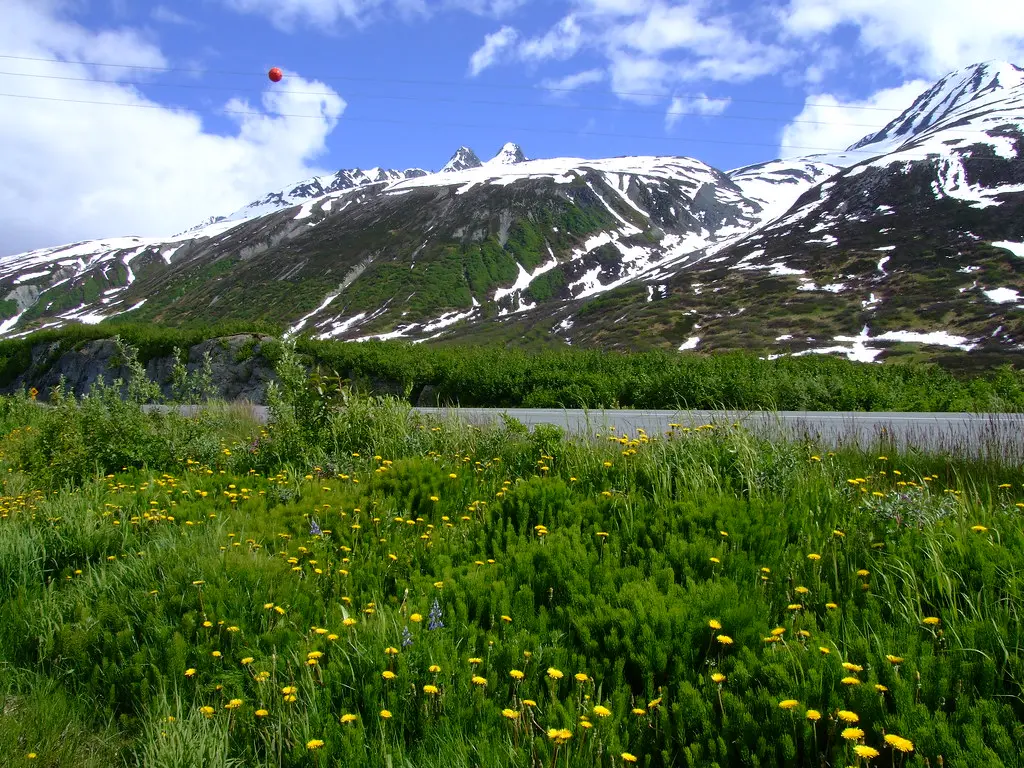
Spanning over 663,000 square miles, Alaska is home to unparalleled landscapes including towering mountains, expansive glaciers, and lush rainforests. Notably, Denali National Park features North America’s highest peak, Mount Denali, which reaches an elevation of 20,310 feet. Wildlife is abundant, with populations of bears, moose, and caribou, alongside an array of marine species inhabiting the state’s numerous coasts. According to the National Park Service, the state hosts 8 national parks and over 3,000 rivers, encouraging outdoor recreation and exploration.
Cultural Richness and Indigenous Heritage
Alaska’s cultural landscape is as rich as its natural beauty. The state is home to diverse Indigenous groups, including the Inuit, Yupik, and Tlingit peoples, each with unique traditions and languages. Celebrated cultural events such as the Iditarod Trail Sled Dog Race not only showcase the state’s pioneering spirit but also honour the significant historical connections to Indigenous lifestyles. In recent years, efforts have been made to promote and preserve Alaskan Native cultures, highlighting their contributions to the state’s identity.
The Economic Impact of Alaska
Alaska’s economy has traditionally relied on natural resources, especially oil, gas, and fishing. The oil sector alone contributes significantly to both state funding and job creation. However, tourism has also emerged as a vital economic driver—estimated to generate approximately $3 billion annually and employing thousands in hospitality and related industries. Moreover, as climate change impacts the Arctic region, Alaska is becoming a focal point for scientific research related to climate resilience and adaptation.
Conclusion: The Future of Alaska
As Alaska continues to adapt to global changes, its importance in environmental science, cultural preservation, and economic development is expected to grow. The state faces challenges, including climate change and resource management, which will require collaborative efforts among local communities, state authorities, and federal agencies. For readers considering travel, investment, or advocacy, experiencing Alaska’s vibrant landscapes and culture offers a gateway to understanding the larger issues facing this extraordinary region. The journey through Alaska is not just a physical adventure; it is also a step towards appreciating the complexity and beauty of our planet.
