Introduction
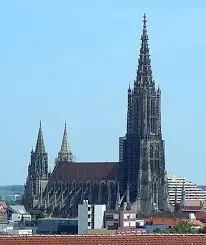
The title of the tallest church in the world is currently held by the Ulm Minster, located in Ulm, Germany. With a steeple reaching a staggering height of 161.5 meters (530 feet), Ulm Minster has been a significant landmark since its completion in 1890. This remarkable structure not only showcases the grandeur of Gothic architecture but also serves as a testament to human ingenuity and dedication to spiritual expression. As churches around the world increasingly face challenges from modernization and changing social dynamics, understanding the importance and historical context of the tallest church becomes imperative.
Architectural Marvel
The Ulm Minster’s monumental tower, which is the highest church steeple in the world, features intricate stone carvings and a stunning spire that dominates the skyline of Ulm. Construction of the Minster began in 1377, with various delays and interruptions leading to its eventual completion over five centuries later. The church exhibits remarkable medieval craftsmanship alongside elements of modern restoration, making it a vital part of Germany’s cultural heritage.
Tourism and Local Economy
Visiting Ulm Minster is not only an architectural experience; it’s also a major draw for tourism in the region. The church attracts visitors from across the globe, significantly contributing to the local economy. According to municipal reports, Ulm Minster welcomes nearly one million visitors annually, who come to marvel at the impressive nave, climb the 768 steps to the top for panoramic views, or attend various cultural events held within its walls. The revitalization of surrounding areas to accommodate tourists has further boosted local businesses, from eateries to shops.
Community and Cultural Significance
Beyond tourism, Ulm Minster serves as a vibrant hub for the local community. Regular religious services, weddings, and concerts are held here, bridging the gap between historic significance and contemporary community life. The church has also adapted to modern cultural expressions, hosting art exhibitions and seasonal markets, showcasing its role in the social fabric of Ulm.
Conclusion
The tallest church in the world, Ulm Minster, stands as a remarkable symbol of faith, history, and architectural achievement. Its towering presence continues to inspire awe and respect among those who encounter it, blending the past with the present. As discussions about preservation and modern relevance grow in importance, Ulm Minster will likely remain a focal point for architecture enthusiasts, historians, and pilgrims alike, affirming that both history and community can thrive simultaneously in these towering places of worship.
