Introduction
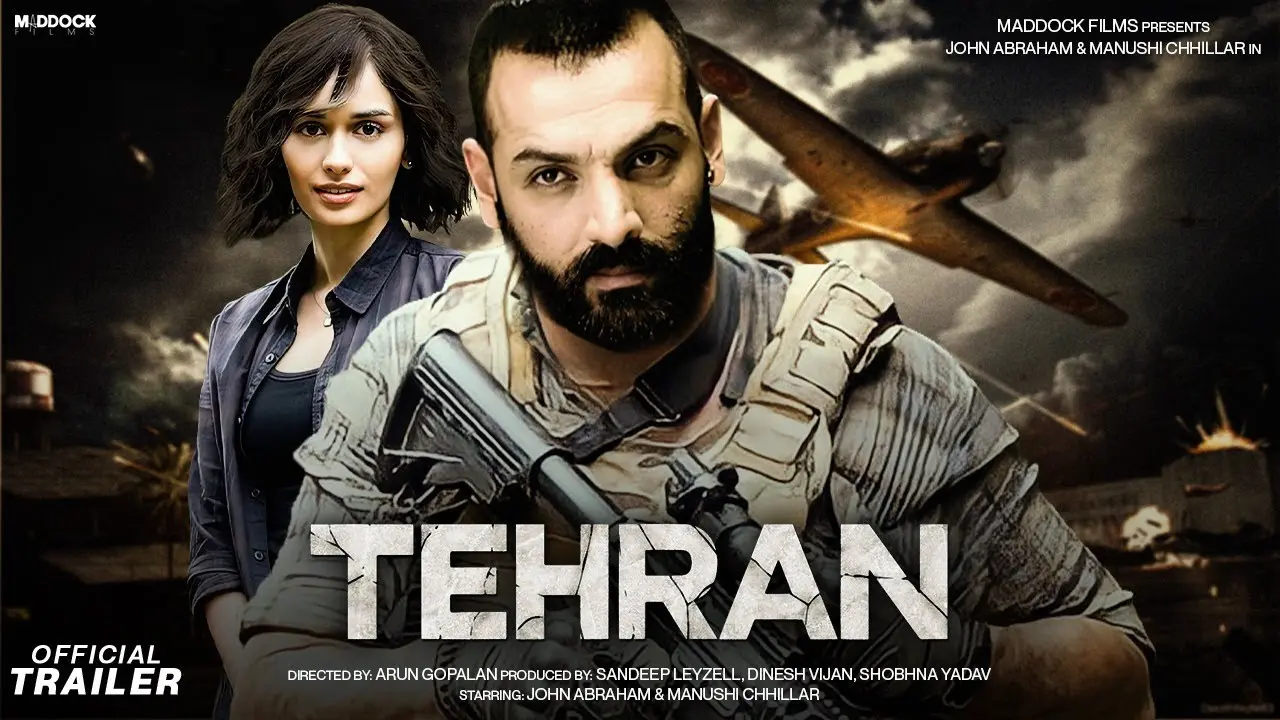
The Tehran movie, a recent addition to the illustrious world of Iranian cinema, has quickly gained attention for its profound storytelling and vivid portrayal of life in Iran’s capital. The film’s popularity highlights significant cultural and social issues, providing a platform for discussions on the realities of contemporary Iranian society, including gender roles, political unrest, and the quest for identity.
The Storyline and Themes
Directed by a yet-to-be-named visionary, Tehran follows the intertwined lives of various characters in the bustling city. Its narrative captures the essence of urban Iran, presenting a microcosm of the nation’s struggles and aspirations. The storyline invites viewers into the homes and streets of Tehran, showcasing the complexities of relationships amidst socio-political turmoil.
One of the film’s prevailing themes is the tension between tradition and modernity, portraying how individuals navigate their identities in an age of rapid change. With its nuanced characters, the movie delves into the challenges faced by women, particularly in pursuing personal freedoms against societal expectations. Furthermore, it addresses the impacts of censorship and political restrictions on artistic expression, making the film particularly relevant in current global socio-political discussions.
Critical Reception and Impact
Since its release earlier this year, the Tehran movie has received critical acclaim both locally and internationally. Film festivals have highlighted its excellence, praising its screenplay, direction, and cinematography. Critics have noted how the film transcends cultural boundaries, resonating with international audiences and challenging stereotypes about Iranian life.
The movie’s relevance is also underscored by the ongoing global conversation about human rights and freedom of expression. Many believe that films like Tehran can foster greater understanding and empathy among diverse cultures. The film has sparked dialogue about the importance of storytelling in combatting misinformation and promoting cultural exchange.
Conclusion
The Tehran movie stands out as a pivotal piece in the landscape of modern cinema, illuminating the complexities of life in Iran today. Its exploration of fundamental human themes continues to resonate with viewers, reinforcing the notion that cinema can be a powerful tool for reflection and change. As the film gains traction, it is expected to spark further discourse on the artistic freedoms and societal challenges within Iran, making it a significant work worthy of attention in both cinemas and discussions across the globe.
