Introduction
The phrase ‘Oh Mary’ has emerged as a cultural reference point that resonates across various sectors, including music, literature, and social commentary. Its popularity reflects a wider societal trend, where expressions of disbelief, exasperation, or longing capture the collective human experience. Understanding the origins and implications of ‘Oh Mary’ is essential as it mirrors the complexities of contemporary narratives.
The Origins of ‘Oh Mary’
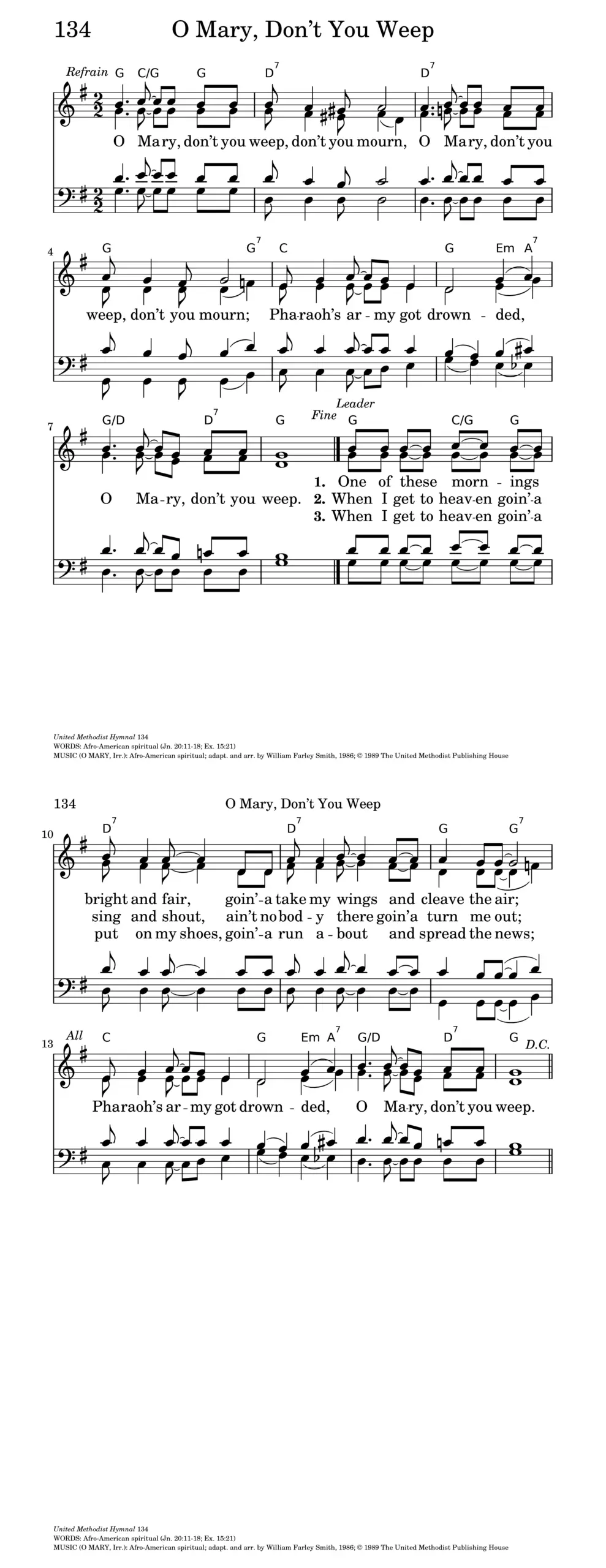
While the precise origin of the phrase ‘Oh Mary’ is somewhat nebulous, its usage can be traced back to several cultural influences, most notably in religious and literary contexts. In Christian tradition, expressions invoking Mary, the mother of Jesus, are often laden with emotion and urgency. Beyond religion, the phrase has been interpolated into popular culture, finding its way into songs and works of literature, creating a sense of resonance and familiarity. Recent musical hits and viral social media posts have further propelled its usage, often to convey emotional moments or a call for empathy.
Current Usage and Significance
Today, ‘Oh Mary’ manifests in various forms— memes, songs, and informal dialogues across social media platforms. Its adaptability has allowed it to become a versatile tool for expression. For instance, in the realm of music, artists have begun to incorporate the phrase into lyrics that call for connection or address struggles, indicating how language evolves to mirror collective sentiments. As an exclamation, it often serves as a relatable shorthand for those experiencing frustration or disillusionment.
Conclusion
The phrase ‘Oh Mary’ encapsulates a blend of cultural, emotional, and social significance in modern discourse. Its usage underscores the importance of finding communal language amid the diverse challenges faced today. As we look forward, the continued evolution of ‘Oh Mary’ will likely reveal deeper insights into our collective psyche, serving both as a reminder of our struggles and our shared humanity. Readers are encouraged to reflect on how phrases like ‘Oh Mary’ can play a role in their own expression and connection to contemporary issues.
