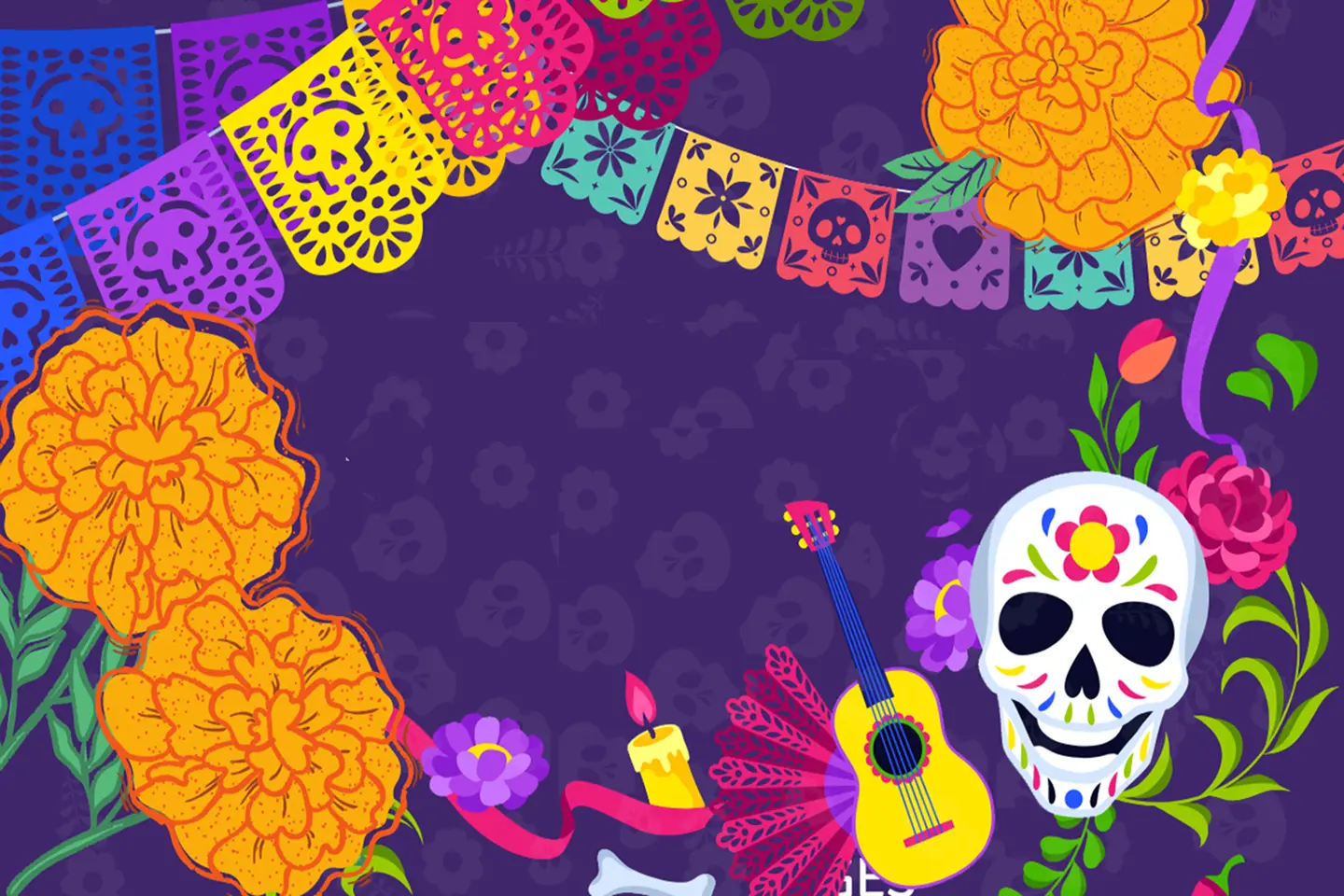
Introduction to the Day of the Dead
The Day of the Dead, or ‘Día de los Muertos,’ is a Mexican tradition observed annually on the 1st and 2nd of November. This rich cultural event honours deceased loved ones, blending indigenous rituals with Spanish influences. Importantly, it helps to foster a connection between families and their ancestors, encouraging communities to remember and celebrate the lives of the departed. The Day of the Dead has gained international recognition, demonstrating the universal human desire to remember and celebrate the memories of those we have lost.
Traditions and Customs
The celebration typically involves creating altars, known as ‘ofrendas,’ which are decorated with photographs, favourite foods, and drinks of the deceased. Marigolds, particularly the ‘cempasuchil’ flower, are prominent, believed to guide souls back to the living. In various regions of Mexico, the celebrations can differ greatly. For instance, in Oaxaca, elaborate street parades and festivals are common, whereas in Michoacán, families may visit cemeteries, spending the night in close proximity to their loved ones’ graves.
Recently, traditional customs have been adapted for modern times. Virtual ofrendas and online celebrations have emerged due to restrictions during the COVID-19 pandemic, demonstrating the resilience and adaptability of cultural practices in the face of challenges.
Cultural Significance and Recognition
The Day of the Dead was recognised by UNESCO in 2008 as an Intangible Cultural Heritage of Humanity, underscoring its importance not only to Mexican identity but also its contributions to global cultural diversity. The vivid representations of death in art and culture highlight a different perspective on mortality, one that embraces rather than fears death. This embracing of death as part of life encourages communities to engage in meaningful reflections on life and legacy.
Conclusion: The Living Legacy of the Day of the Dead
As the Day of the Dead continues to gain traction worldwide, it invites people from various cultures to reflect on their own relationships with death and remembrance. The celebration serves as a reminder that death is not an end but part of the ongoing human experience. Through colourful traditions, community gatherings, and shared stories, the Day of the Dead remains a poignant occasion that brings both joy and solace, ensuring that the memories of those who have passed are cherished and celebrated for generations to come.
