Introduction
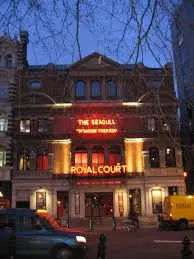
The Royal Court Theatre, located in the heart of Sloane Square, London, stands as a cultural beacon known for its commitment to new writing and innovative theatre. Established in 1956, the theatre has become a vital part of London’s arts scene, renowned for launching the careers of prominent playwrights and offering a platform for emerging talent. As the arts landscape continues to evolve, the Royal Court remains at the forefront, reflecting societal changes and artistic experimentation.
A Legacy of Innovation
The Royal Court Theatre has a rich history of staging groundbreaking productions that challenge social norms and provoke discussion. It has introduced works by notable playwrights such as Samuel Beckett, Harold Pinter, and Caryl Churchill. The theatre’s dedication to new writing is exemplified by its launch of the ‘Royal Court Writers Group,’ which nurtures young playwrights and provides them with the tools necessary to craft compelling narratives for the stage.
Recent Events
In recent months, the Royal Court Theatre has been a hub of activity, hosting a variety of performances that reflect contemporary issues. The theatre’s production during the COVID-19 pandemic demonstrated its resilience; with innovative approaches such as online performances and socially distanced seating, the Royal Court managed to keep the spirit of live theatre alive. Moreover, its recent shows have tackled subjects such as climate change, social justice, and mental health, resonating with audiences navigating these challenges.
Outreach and Community Engagement
Beyond its on-stage offerings, the Royal Court Theatre is committed to community engagement and outreach. Through its initiatives like ‘The Royal Court’s Education and Engagement programme,’ it actively involves local schools and communities in theatre-making processes. This commitment to accessibility highlights the importance of theatre in promoting dialogue and understanding within diverse communities.
Conclusion
As the Royal Court Theatre approaches its seventh decade, it continues to adapt and respond to the changing artistic landscape of London and beyond. Its dedication to fostering new writing, engaging communities, and challenging societal issues ensures that it will remain a pivotal institution in the world of theatre. For audiences seeking to understand the contemporary cultural discourse, a visit to the Royal Court is not just entertaining, but essential.
