Introduction to Non-Fungible Tokens (NFTs)
Non-fungible tokens (NFTs) have taken the digital world by storm, transforming industries such as art, gaming, and entertainment. Unlike traditional cryptocurrencies like Bitcoin, which are fungible and can be exchanged on a one-to-one basis, NFTs represent unique digital assets. This uniqueness gives NFTs their value, making them a significant topic in discussions about digital ownership and investment.
The Current Landscape of NFTs
As of late 2023, the NFT market continues to thrive despite its tumultuous beginnings in 2021. According to recent reports, the NFT market generated an estimated $25 billion in sales in 2022, showcasing a robust resurgence. Major platforms such as OpenSea and Rarible have facilitated this growth, allowing creators to mint and sell their digital artwork seamlessly.
Prominent brands are also entering the NFT space, creating collections that enhance consumer engagement. For instance, Nike has launched a series of NFT-based sneakers, allowing collectors to purchase exclusive virtual merchandise. Furthermore, major auction houses like Christie’s and Sotheby’s have started selling NFT art pieces, further validating the medium’s significance in the art world.
Impact on Artists and Creators
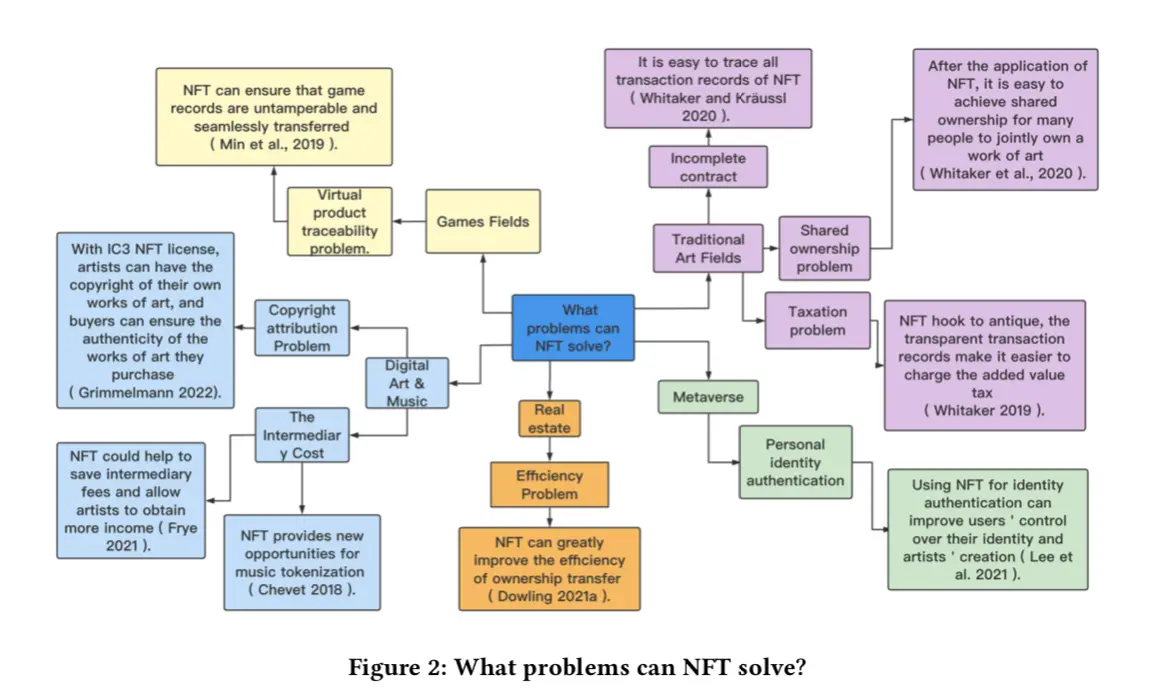
NFTs have opened up new revenue streams for artists, allowing them to retain royalties from secondary sales which was traditionally absent in the art market. This has led to a shift in how artists view copyright and ownership. Several independent creators report increased financial success since entering the NFT space, enabling them to directly connect with collectors and gain more control over their work.
Challenges and Controversies
Despite their popularity, NFTs are not without their challenges. The environmental impact of blockchain technology has raised concerns as energy-intensive processes underpin many NFT transactions. Moreover, the legal framework surrounding ownership and patent rights for digital assets remains murky, creating potential pitfalls for both artists and collectors.
Conclusion and Future Outlook
The future of non-fungible tokens appears promising as both technology and market demand evolve. As we move forward, greater regulatory clarity may facilitate the NFT market’s growth while addressing environmental concerns. Moreover, as verification processes and technology improve, the adoption of NFTs across different sectors is likely to expand. For readers, staying informed about these developments may open new opportunities in digital ownership and investment strategies, especially as the digital landscape continues to change.
