Introduction to Sumo Wrestling
Sumo wrestling, Japan’s national sport, is steeped in rich traditions and history, captivating audiences both locally and globally. The sport, with its historical roots dating back over 1,500 years, offers a unique blend of athleticism, ritual, and cultural significance. Recent developments and the growing enthusiasm for sumo in countries beyond Japan have amplified its importance as a global sporting event.
The Basics of Sumo
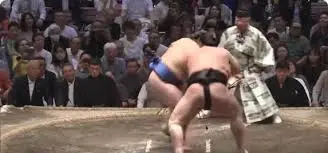
At its core, sumo is about two wrestlers, known as rikishi, competing in a circular ring called the dohyo. The primary aim is to force the opponent out of the ring or to make them touch the ground with any part of their body other than the soles of their feet. Matches often last mere seconds, but the preparation and rituals surrounding them extend much longer, featuring traditional stances, salt throwing for purification, and ceremonial dressing.
The Modern Era of Sumo
As of 2023, sumo wrestling remains a prominent part of Japanese culture, but it has also been evolving. Recent tournaments, such as the Nagoya Basho and Tokyo Grand Sumo, have witnessed a surge in international participation. Notably, foreign rikishi, such as Mongolian wrestler Hakuho, have dominated the sport, making significant contributions to its appeal and changing face.
In addition to athletic skills, sumo wrestlers are expected to adhere to strict disciplines and customs, including living in stables, maintaining specific diets, and undergoing rigorous training. However, the sport faces challenges, including issues related to injuries, mental health, and the rigorous demands placed on athletes.
Global Interest and Future Directions
The interest in sumo wrestling outside Japan has been steadily rising, evidenced by increasing attendance at international events and growing social media influence. Enthusiasts worldwide can now follow their favourite wrestlers and tournaments through digital platforms and online broadcasts. Additionally, sumo schools and training facilities are popping up in various countries, promising to introduce more athletes to this unique sport.
Conclusion
Sumo wrestling, with its age-old traditions and modern transformations, continues to hold a significant place in both Japanese society and the global sports landscape. As it embraces greater international interest and adapts to contemporary challenges, the future of sumo looks promising. For aficionados and new fans alike, the sport represents not just physical prowess but a deep cultural narrative that links generations. Its evolution will undoubtedly continue to garner excitement, making sumo an essential subject for sports enthusiasts worldwide.
