Introduction
The Puskás Aréna, inaugurated in November 2019, stands as a monumental symbol of Hungarian football history. Named after legendary footballer Ferenc Puskás, the stadium is not only a site for sporting events but also a cultural landmark that reflects Hungary’s rich sporting tradition. Its establishment is significant, providing modern facilities in Budapest, aiming to elevate the country’s football profile and enhance fan experiences.
Modifications and Facilities
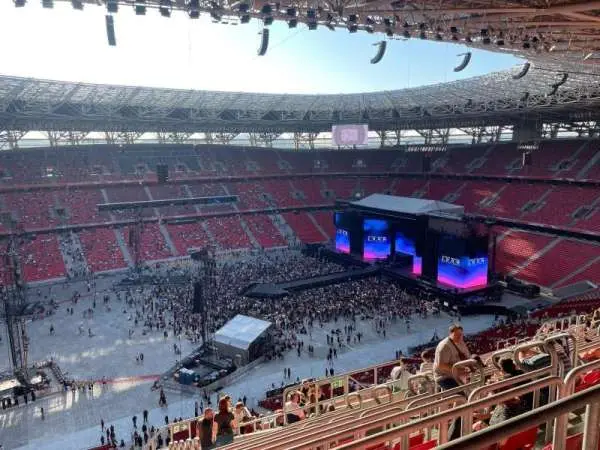
Located in the heart of Budapest, the Puskás Aréna boasts a seating capacity of 67,215, making it the largest stadium in Hungary. It features state-of-the-art amenities including advanced lighting and sound systems, ample VIP seating, and excellent public transportation access. This modern architectural marvel covers an area of 200,000 square meters, embracing a design that aligns with UEFA standards. The arena is equipped for various events, catering to not just football matches but concerts and other entertainment gatherings, ensuring its year-round utilisation.
Significant Events
Since its opening, the Puskás Aréna has hosted a range of important events. Notably, it hosted its first international match on November 15, 2019, where Hungary faced Uruguay. Furthermore, the stadium was one of the venues for UEFA Euro 2020, providing the backdrop for thrilling matches that showcased top talent from across Europe. The arena is also anticipated to host matches of the upcoming FIFA World Cup 2026 qualifying rounds, ensuring it remains a focal point for national pride.
Community and Economic Impact
The impact of the Puskás Aréna extends beyond sports. Serving as a catalyst for local economic growth, it attracts tourism and promotes international visibility for Budapest. The influx of visitors for major events boosts local businesses, including hotels, restaurants, and shops. Additionally, the stadium serves community outreach programs, encouraging youth participation in sport and fostering a new generation of athletes.
Conclusion
The Puskás Aréna is more than just a football stadium; it is a vital part of Hungary’s cultural and sporting identity. Its construction has reinvigorated local interest in football while placing Budapest on the global sports stage. As Hungary continues to nurture its football talents and host significant events, the Puskás Aréna remains a beacon of ambition for a brighter sporting future.
