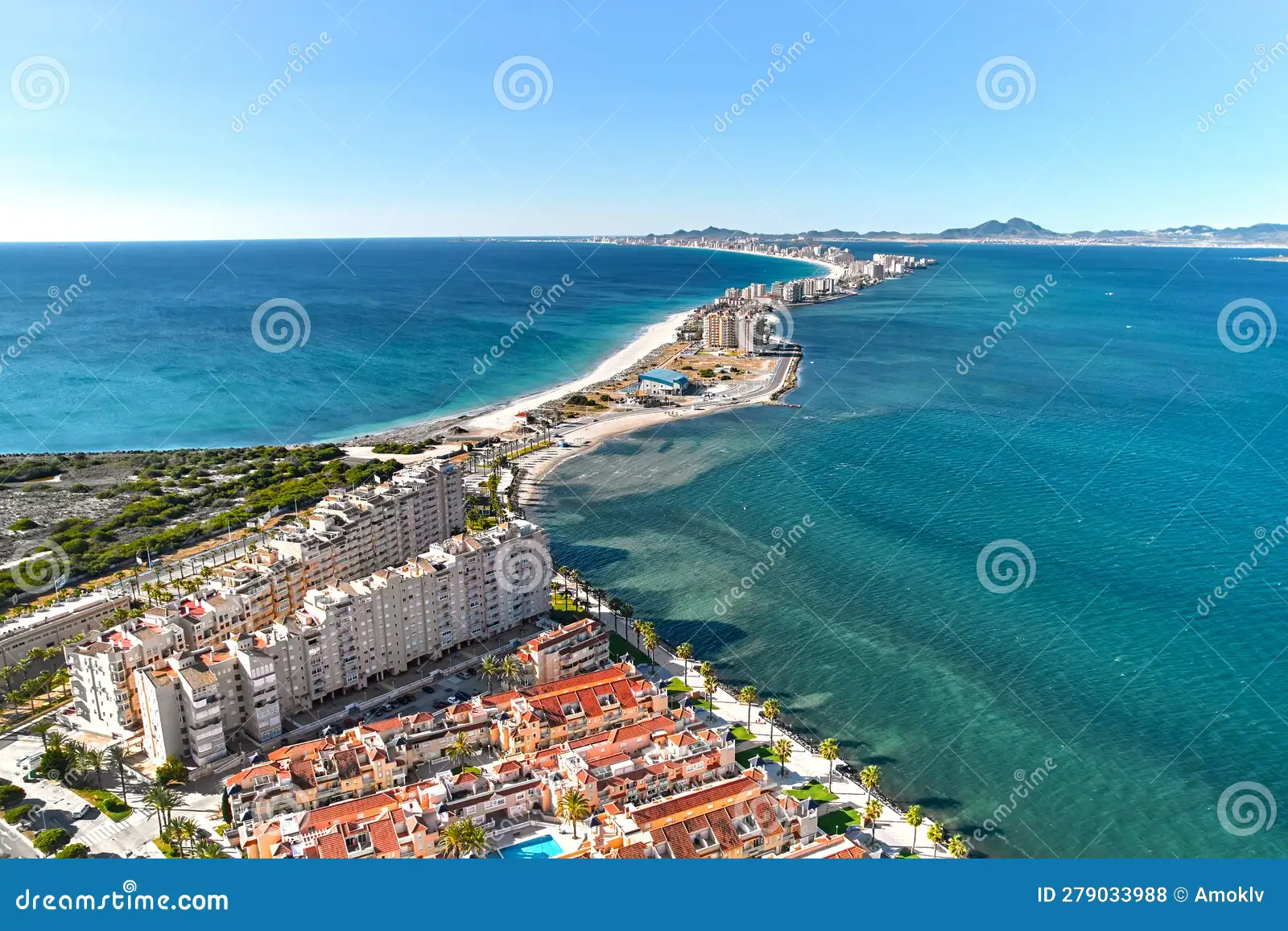
Introduction to Mar Menor
The Mar Menor, a large saline lagoon located in the Murcia region of southern Spain, is a distinctive and vital natural resource. Spanning approximately 170 square kilometres, it is regarded as one of the largest saltwater lagoons in Europe. The Mar Menor boasts ecological, economic, and recreational importance, attracting both tourists and researchers alike. However, it faces significant environmental challenges that threaten its health and biodiversity.
The Ecological Importance of Mar Menor
The lagoon is a unique ecosystem, home to a variety of marine life, including seagrasses, fish, and a wide range of bird species. Its shallow waters provide a perfect habitat for various organisms, contributing to both local biodiversity and global ecological networks. The Mar Menor also serves as a crucial resource for the local fishing industry, supporting livelihoods and heritage within the communities surrounding the lagoon.
Recent Environmental Challenges
Despite its importance, the Mar Menor has faced severe ecological degradation over recent years, particularly due to pollution from agricultural runoff, urban development, and industrial waste. Significant algal blooms have emerged, leading to a decline in water quality and threatening the lagoon’s marine life. In 2021, the European Union initiated infringement proceedings against Spain for failing to protect the Mar Menor and its environment, highlighting the urgent need for remedial actions.
Responses and Conservation Efforts
In response to these challenges, local and regional authorities have implemented various conservation initiatives aimed at restoring the lagoon’s health. Efforts include stricter regulations on agricultural practices, improved waste management, and increased public awareness campaigns to promote sustainable tourism. Environmental groups and scientists are also conducting research aimed at understanding the lagoon’s ecology better and identifying effective restoration strategies.
Conclusion: The Future of Mar Menor
The future of the Mar Menor is critical not just for the surrounding communities but also for maintaining the region’s biodiversity and ecological stability. It is essential for both government agencies and local stakeholders to collaborate on comprehensive, long-term strategies focused on protecting this unique lagoon. Continuous monitoring and public engagement will be pivotal in ensuring that the Mar Menor remains a cherished and thriving natural asset for generations to come.
