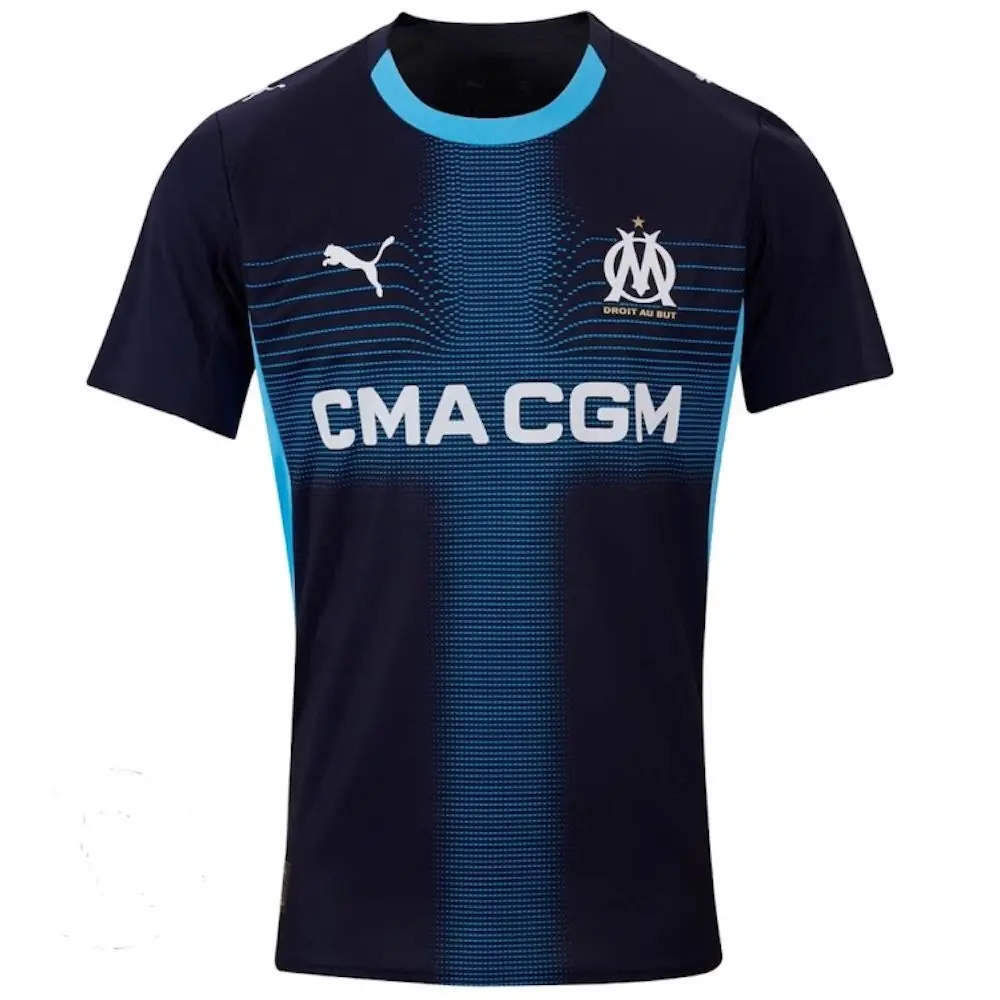
Introduction
Marseille FC, also known as Olympique de Marseille (OM), is more than just a football club; it represents the passion and pride of its city, Marseille, and its vibrant culture. As one of France’s most successful and storied clubs, Marseille’s influence extends beyond the pitch, contributing to the local community and the global football narrative. With a dedicated fan base and a legacy that includes numerous national and international titles, the relevance of Marseille FC in contemporary football cannot be overstated.
Historical Significance
Founded in 1899, Marseille FC has a long and illustrious history that mirrors the evolution of French football. The club’s colours, blue and white, are synonymous with its identity and its supporters. The most notable period in its history came in the early 1990s when Marseille won the UEFA Champions League in 1993, making it the first French club to achieve this feat. This landmark victory not only solidified the club’s status in Europe but also brought immense pride to its fans, often referred to as “les Ultras.”
Recent Developments
In recent years, Marseille FC has undergone significant changes, particularly under new management and ownership. In 2016, American businessman Frank McCourt purchased the club and has since aimed to bring stability and success back to the team. The club has invested heavily in player acquisitions and youth development, resulting in a competitive squad that strives to reclaim its place at the top of Ligue 1.
As of the latest season, Marseille’s performance has shown promise, with a strong campaign in both domestic and European competitions. The club aims to not only challenge for the Ligue 1 title but also to make a mark in the UEFA Champions League, where it is gradually regaining its reputation among the elite teams.
Fan Culture and Community Engagement
One of the defining features of Marseille FC is its passionate fan base. The supporters play a pivotal role in the club’s identity, often creating an electrifying atmosphere during home games at the iconic Stade Vélodrome. This season, the atmosphere has been further enhanced by improved facilities and initiatives aimed at promoting inclusivity and engagement within the community. The club has also focused on social responsibility, engaging in various projects aimed at benefiting local youth and promoting sports as a means of social development.
Conclusion
As Marseille FC embarks on this new chapter, the club’s blend of tradition and modernisation presents a bright future. While it faces numerous challenges in a highly competitive environment, the commitment to excellence, coupled with a loyal fan base, will undoubtedly play a significant role in its ongoing success. For football fans, following Marseille FC offers not just a glimpse into the world of elite football but also a connection to a vibrant culture and a legacy that continues to evolve.
