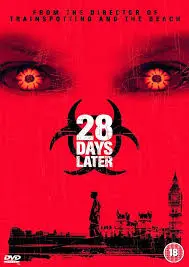
The Importance of 28 Days Later
Released in 2002, 28 Days Later is a landmark in the horror genre, reshaping the way zombie films are perceived and produced. Directed by Danny Boyle and written by Alex Garland, the film was not only a commercial success but also received significant critical acclaim. It has influenced numerous films and television series since its release, making it a subject of interest for both fans and filmmakers alike.
Plot Overview
The film opens in a post-apocalyptic world, following the story of Jim, played by Cillian Murphy, who awakens from a coma to find London deserted and overrun by infected individuals driven mad by a rage-inducing virus. The horror unfolds as Jim teams up with a group of survivors and battles the challenges presented by both the infected and other human survivors. The film’s unique take on the zombie genre, with fast-moving infected rather than the typical slow-moving undead, introduced a new level of urgency and terror.
Cultural Impact and Legacy
28 Days Later’s influence extends beyond its gripping narrative. The film is often credited with igniting a resurgence of interest in the zombie genre, paving the way for films like The Walking Dead and World War Z. The film’s portrayal of societal collapse and human desperation resonates with audiences, especially amidst the backdrop of contemporary global crises, including pandemics and political unrest.
Moreover, the film’s impactful cinematography and haunting soundtrack have contributed to its status as a classic. The iconic imagery of a desolate London became synonymous with the themes of isolation and survival, shaping the visual language of apocalyptic cinema.
Current Relevance
The themes explored in 28 Days Later have gained renewed relevance in recent years, particularly in light of the COVID-19 pandemic. Discussions around public health, societal behaviour during crises, and the impact of fear on communities have paralleled the film’s narrative, prompting new audiences to reconsider its implications.
Conclusion
28 Days Later remains a pivotal film in the horror genre, notable for its innovative storytelling, cultural impact, and enduring relevance in today’s society. As discussions about pandemics and societal challenges continue, the film serves as a reminder of our capabilities for both destruction and survival in the face of overwhelming odds. Its legacy continues to inspire and provoke thought among filmmakers and audiences, solidifying its role as a vital piece of cinematic history.
