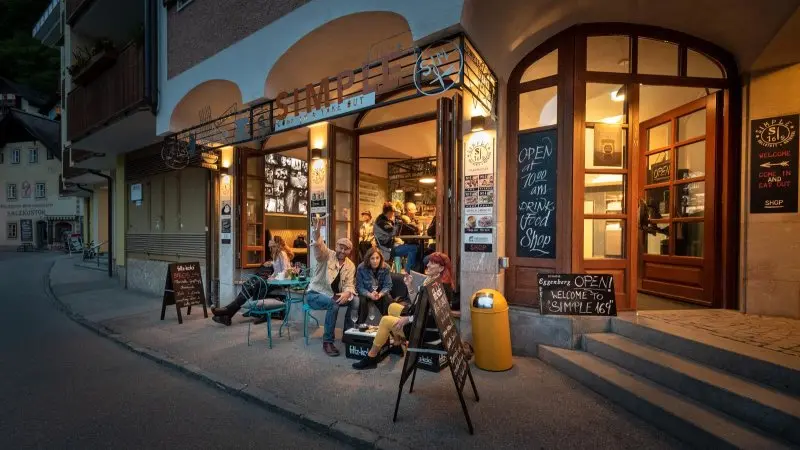
The Importance of Restaurants in Our Society
Restaurants play a critical role in modern culture, providing not just food but experiences that bring people together. They are often a reflection of social trends and consumer behaviours, and as such, their evolution can offer insights into broader societal changes.
Current Trends in the Restaurant Industry
In recent months, the UK restaurant industry has witnessed various trends that reveal how dining out is evolving. One significant trend is the increasing demand for sustainable practices. Many consumers are now more environmentally conscious and prefer restaurants that prioritize eco-friendly sourcing of ingredients, waste management, and sustainable packaging. A recent survey conducted by the British Institute of Innkeeping found that 65% of diners are likely to choose restaurants that demonstrate a commitment to sustainability.
Another trend is the rise of digital solutions in the dining experience. From contactless payments to QR code menus, technology is reshaping how customers interact with restaurants. During the pandemic, many establishments adopted these innovations for health and safety reasons, and they have since become staples of the dining experience. According to a report by the UK Hospitality association, 72% of consumers said they prefer using digital menus over printed ones.
The Impact of Economic Changes
The restaurant sector has also been affected by economic fluctuations. Inflation rates have surged, impacting menu prices and operational costs. Many restaurants are responding by re-evaluating their offerings and focusing on cost-effective dishes that still deliver quality. The use of seasonal and locally sourced ingredients has become a strategy to manage costs while appealing to the market’s growing interest in fresh and authentic food experiences.
Future Predictions for the Restaurant Sector
Looking forward, experts predict that the trend of casual dining will continue to dominate the market as consumers seek comfortable dining environments over formal experiences. Additionally, plant-based offerings are expected to expand as more diners adopt vegetarian and vegan diets. The flexibility of restaurant concepts is likely to increase, with hybrid models combining takeout, dine-in, and outdoor seating to cater to diverse customer preferences.
Conclusion
In summary, the restaurant industry in the UK is navigating an evolving landscape characterised by sustainability, digital innovation, and economic adjustments. These changes are not only reshaping the dining experience but also reflect broader societal shifts. As consumers continue to influence restaurant practices, keeping an eye on these trends is essential for both diners and restaurateurs alike.
