Introduction
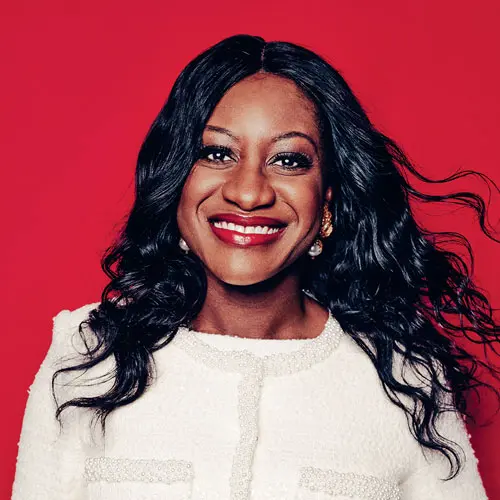
Afua Kyei has emerged as a significant name in contemporary arts, with a unique blend of cultural storytelling and innovative techniques. Her work draws from her diverse heritage, reflecting both modern and traditional influences. As global attention shifts towards arts that represent an authentic cultural narrative, Kyei’s contributions have become increasingly relevant, especially in a world seeking to celebrate diversity and inclusivity.
Background and Achievements
Born in Ghana and raised in the United Kingdom, Kyei’s journey into the arts is a testament to her multifaceted identity. She studied fine arts at various institutions including the prestigious Central Saint Martins, where she honed her skills. Kyei is well-known for her thought-provoking installations and paintings that address themes of identity, belonging, and social commentary.
Recently, she exhibited her work at leading galleries both locally and internationally, including the Royal Academy of Arts and the Venice Biennale. Her innovative approach to combining traditional Ghanaian motifs with contemporary techniques has garnered acclaim in the art community. In 2023, she was awarded the Emerging Artist Award at the International Arts Festival, further solidifying her status as a leading voice in contemporary art.
Notable Works and Impact
One of Kyei’s most prominent pieces is ‘Voices of the Ancestors’, a series of installations that explore the diasporic experience through multimedia and interactive elements. Critics have praised her for creating an immersive environment that invites viewers to connect with their heritage and reflect on their personal narratives.
Kyei is also an advocate for young artists, frequently participating in mentorship programs aimed at nurturing the next generation of creatives. She believes in the power of art as a tool for activism, using her platform to address issues such as gender equality and racial injustice. Notably, her recent collaboration with a non-profit organization aims to provide art education in underserved communities, making art accessible to those who might not otherwise have the opportunity.
Conclusion
As Afua Kyei continues to make waves in the contemporary arts scene, her work not only enhances cultural discourse but also champions the voices of underrepresented communities. Her commitment to social issues coupled with her artistic talent positions her as a key figure in the ongoing conversation about identity and representation in art. Looking ahead, Kyei’s influence is likely to expand, inspiring many to embrace their own narratives through creative expression. For readers, following Kyei’s journey not only offers insight into the evolution of contemporary art but also invites reflection on the importance of diversity in cultural representation.
