Introduction
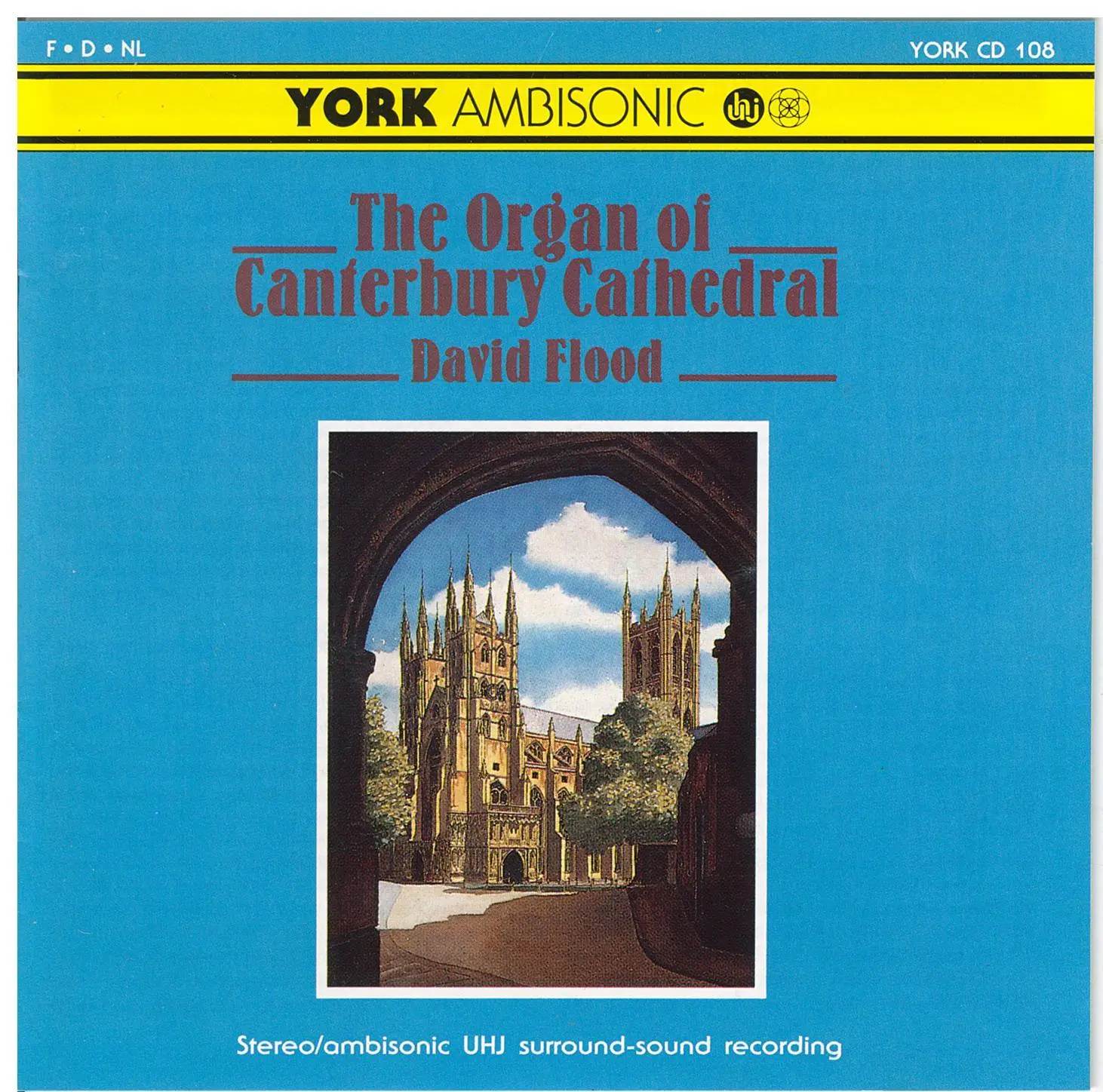
Canterbury Cathedral, located in the heart of Kent, is one of the most iconic religious structures in England. As a UNESCO World Heritage Site, it holds immense historical and cultural significance, not only for its architectural beauty but also for its role in the development of Christianity in England. The cathedral serves as the mother church of the worldwide Anglican Communion and embodies a rich tapestry of over 1,400 years of history, making it a vital landmark for both locals and tourists alike.
Historical Context
Founded in 597 AD by St. Augustine, Canterbury Cathedral has been a site of pilgrimage ever since. It was here that Archbishop Thomas Becket was murdered in 1170, an event that spurred the cathedral’s prominence as a pilgrimage destination, famously depicted in Geoffrey Chaucer’s “The Canterbury Tales.” The subsequent canonisation of Becket and the establishment of his shrine drew countless visitors, contributing to the cathedral’s growth and prestige.
Architectural Highlights
The architectural magnificence of Canterbury Cathedral transcends centuries, featuring styles from Romanesque to Gothic. The East End’s stunning stained glass windows, the intricate stonework of the nave, and the awe-inspiring tower are just a few elements that showcase the artistry and craftsmanship of this historical monument. Recent restoration efforts have further ensured that the cathedral remains a vital part of Kent’s heritage.
Recent Events and Developments
In recent news, Canterbury Cathedral has been adapting to the challenges posed by the COVID-19 pandemic. With restrictions easing, the cathedral has restarted in-person services and guided tours, implementing health and safety measures to ensure the safety of visitors. In 2023, the cathedral hosted the “Canterbury Festival,” an initiative that celebrates arts and culture, drawing attention to its role not just as a place of worship but as a cultural venue.
Conclusion
Canterbury Cathedral is more than just an architectural feat; it is a symbol of resilience and faith that has lasted through centuries of change. Its significance extends beyond religious boundaries, impacting literature, history, and culture. As we continue to navigate modern challenges, Canterbury Cathedral remains a pillar of hope and a testament to the enduring spirit of the people it has served. The future looks promising as it embraces both its rich past and potential for fostering community and culture in the years to come.
