Introduction
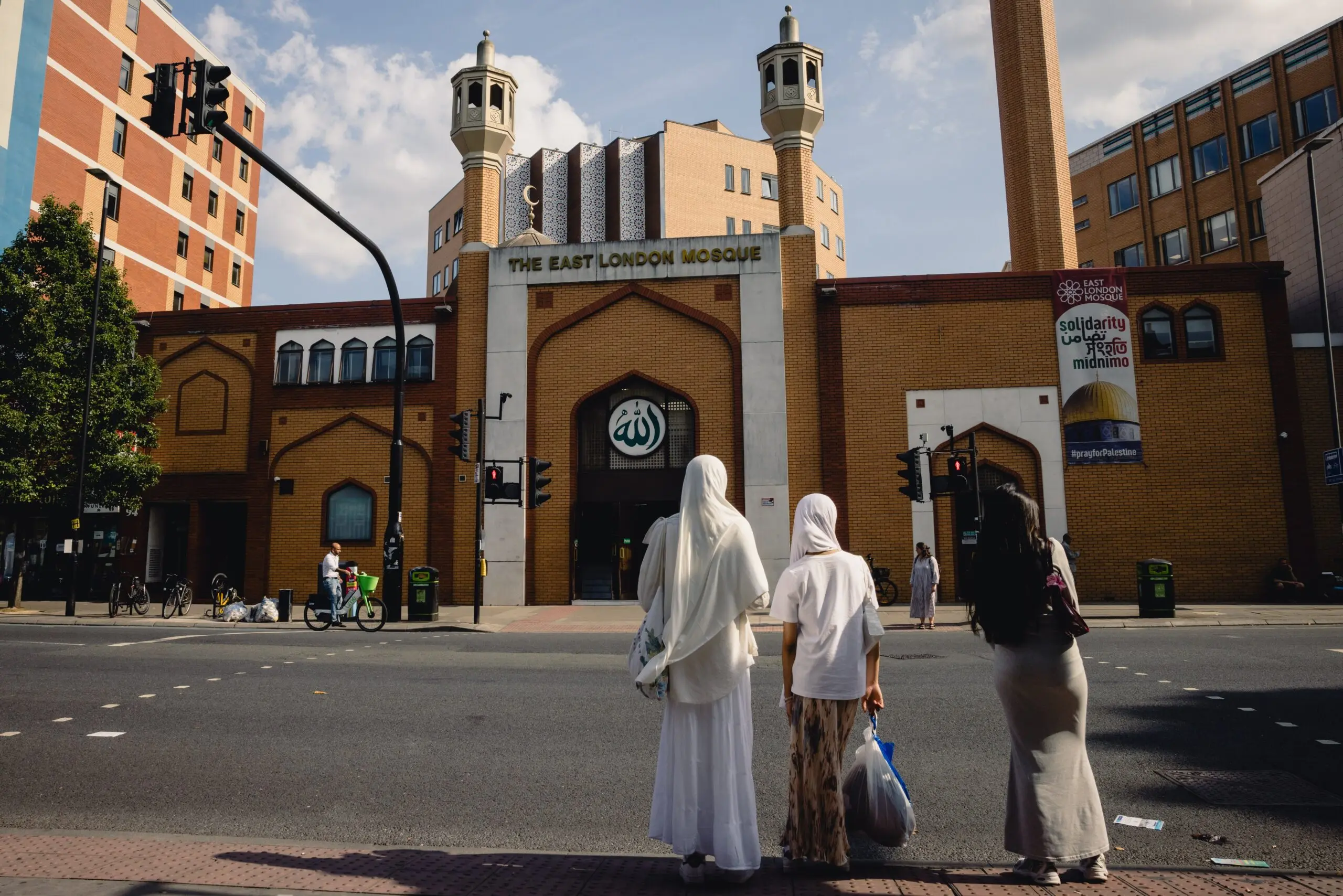
The East London Mosque stands as a significant cultural and spiritual landmark within the diverse tapestry of London. Established in the early years of the 20th century, it serves as a vital centre for the local Muslim community, providing not just a space for worship, but also a place for education, social engagement, and intercultural dialogue. Given the mosque’s historical roots and ongoing community initiatives, understanding its role is important for appreciating the broader social dynamics of East London.
History and Development
The East London Mosque was founded in 1910 and has since undergone various expansions and renovations to accommodate the growing number of worshippers and community activities. It is one of the oldest mosques in the UK and has played a pivotal role in supporting the Muslim population, particularly immigrants who arrived during the early 20th century from regions such as Yemen and Bangladesh. The mosque’s architectural evolution reflects its commitment to inclusivity and openness, with the latest facilities featuring modern design while maintaining traditional influences.
Community Engagement and Activities
In addition to serving as a place of worship, the East London Mosque offers a host of community services. It is involved in educational programmes that cater not just to Muslims, but to people of all backgrounds, promoting mutual understanding and respect among different faiths. The mosque hosts a variety of events including interfaith dialogues, cultural celebrations, and community service initiatives aimed at addressing local issues such as homelessness and social isolation.
Recent Developments
Recently, the mosque has gained attention for its active role during the Covid-19 pandemic, providing essential services such as food distribution and wellness checks for vulnerable community members. The mosque has also embraced technology, with online activities and resources becoming increasingly prominent, ensuring that community members remain connected during lockdowns. These efforts highlight the mosque’s adaptability and commitment to serving its community in changing times.
Conclusion
The East London Mosque not only represents a spiritual haven for local Muslims but also acts as a beacon of community cohesion. As it continues to grow and evolve, it remains relevant in addressing contemporary issues while honouring its rich heritage. For residents and visitors alike, the East London Mosque stands as a testament to the importance of cultural landmarks in fostering understanding and unity in diverse urban landscapes. Looking ahead, the mosque is poised to play an even more vital role in promoting intercommunity relations and serving as a model for inclusivity in an ever-changing world.
