Introduction
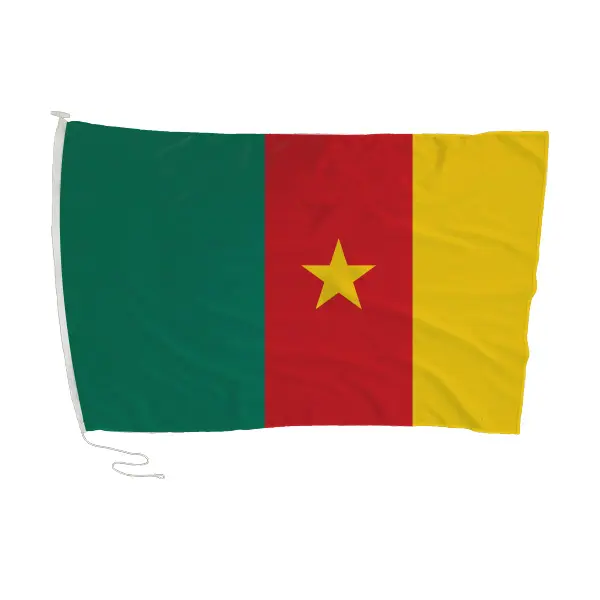
Cameroon, often referred to as ‘Africa in miniature’, is a nation that encompasses a remarkable spectrum of cultures, languages, and landscapes. It is strategically located at the junction of West and Central Africa, making it pivotal for trade and cultural exchange in the region. Recent events in Cameroon, particularly concerning its socio-political climate and economic challenges, bring to light the resilience of its people and the necessity for international attention.
Cultural Diversity
With over 250 ethnic groups and more than 200 languages spoken, Cameroon is a rich tapestry of cultures. This diversity is reflected in its art, music, cuisine, and traditional practices. The nation celebrates numerous festivals, such as the Ngondo festival of the Sawa people and the Nguon festival of the Bamoun, showcasing its vibrant heritage. However, the intricate mosaic of cultures has also been a source of tensions, notably in the Anglophone regions, where there have been calls for independence and greater autonomy.
Current Events and Challenges
As of late 2023, Cameroon is facing significant challenges, particularly related to the ongoing conflict in the Anglophone regions. The tensions that began in 2016 have escalated into a civil crisis, leading to widespread violence and displacement. According to the United Nations, over 700,000 people have been internally displaced due to the conflict, with an additional 60,000 seeking asylum in neighbouring countries. Efforts for dialogue and peace remain critical, as the situation poses severe humanitarian implications.
Health and Economic Landscape
In tandem with the socio-political issues, Cameroon grapples with health-related challenges, including high maternal mortality rates and the ongoing struggle against diseases like malaria. The economy is predominantly based on agriculture, but reliance on a single commodity, particularly oil, exposes the nation to economic vulnerabilities. The World Bank has indicated that diversifying the economic base is essential to bolster growth and stability.
Conclusion
Cameroon stands at a crossroads, navigating a complex interplay of cultural richness and socio-political strife. International awareness and intervention could foster dialogue that promotes peace and reconciliation in divided regions. Furthermore, investment in healthcare and economic diversification could enhance the living standards of the population. The resilience of the Cameroonian people shines through as they continue to advocate for change and express their rich cultural heritage amidst ongoing challenges.
