Introduction
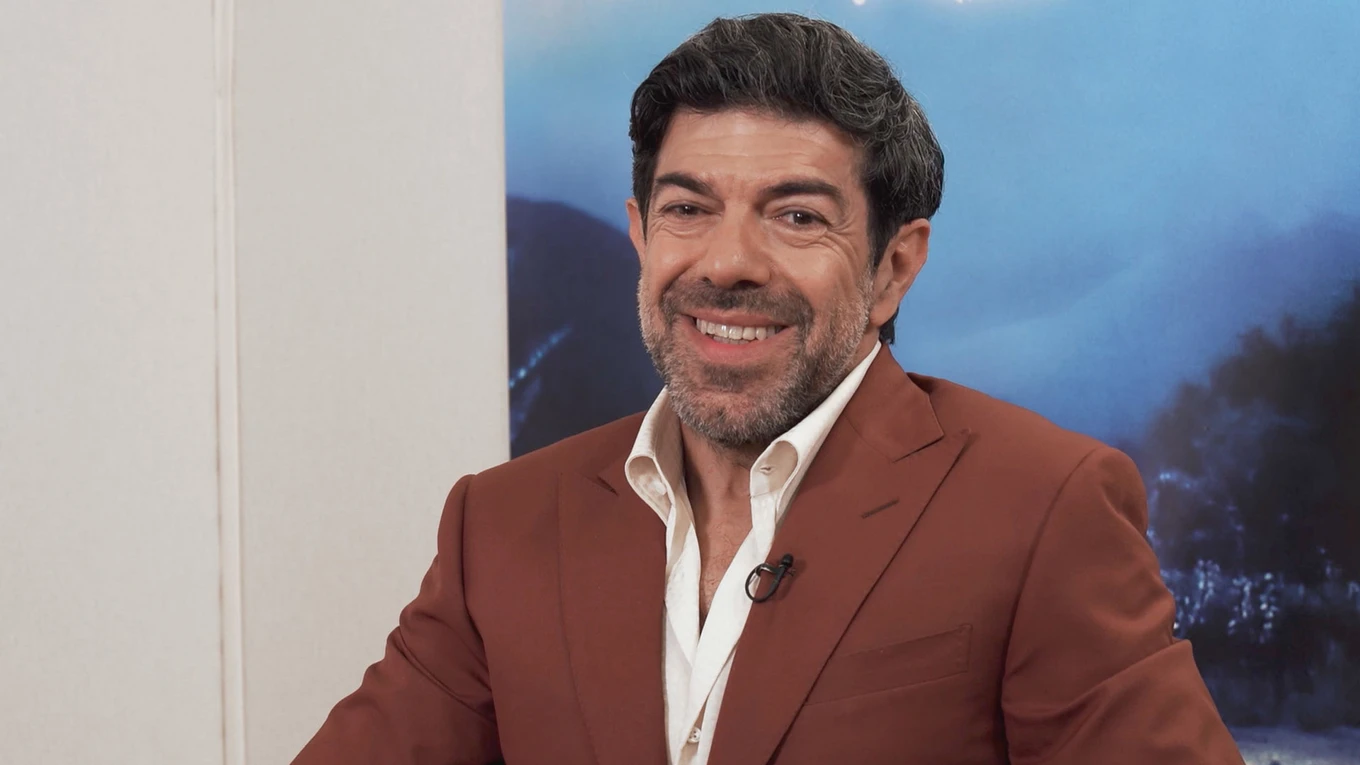
Pierfrancesco Favino has emerged as one of the most distinguished actors in Italian cinema, known for his versatility and compelling performances. His work has transcended national boundaries, earning him recognition in various international film projects. With cinema playing a pivotal role in cultural exchange, the relevance of Favino’s contributions cannot be overstated as he represents contemporary Italian talent on a global stage.
Early Life and Career
Born on December 24, 1969, in Rome, Favino pursued his passion for acting after graduating from the National Academy of Dramatic Art. He made his mark in Italian theatre before transitioning to film. His early roles consisted of both theatrical productions and supporting roles in films, gradually leading him to prominent features in the Italian film industry.
Breakthrough Roles
Favino’s breakthrough came with the 2003 film ‘The Last Kiss,’ where his performance garnered significant attention. However, it was the 2006 film ‘The Caiman,’ directed by Nanni Moretti, that truly propelled Favino into the limelight, showcasing his ability to tackle complex characters. His role in the 2014 film ‘The Contempt’ further established him as a leading man, admired for his depth and charisma.
International Recognition
In recent years, Favino has expanded his repertoire beyond Italy, starring in films such as ‘Hackerville’ and ‘World War Z,’ which introduced him to a broader audience. His performance in ‘The Traitor’ (2019) depicted the real-life story of Tommaso Buscetta, the Sicilian Mafia boss. This role earned him multiple accolades, proving his capability to excel in diverse narratives.
Current Projects
As of 2023, Favino is set to star in a number of high-profile projects, including upcoming collaborations with significant directors, both in Italy and abroad. His latest work continues to attract attention, affirming his place among the elite in contemporary cinema.
Conclusion
Pierfrancesco Favino’s journey in the film industry underscores the impact of cultural storytelling through cinema. As he continues to break barriers and redefine roles within the Italian film landscape, his future projects are anticipated with great enthusiasm. For readers, following Favino’s career offers insights into the evolving nature of global cinema and the importance of international talents in crafting compelling narratives.
