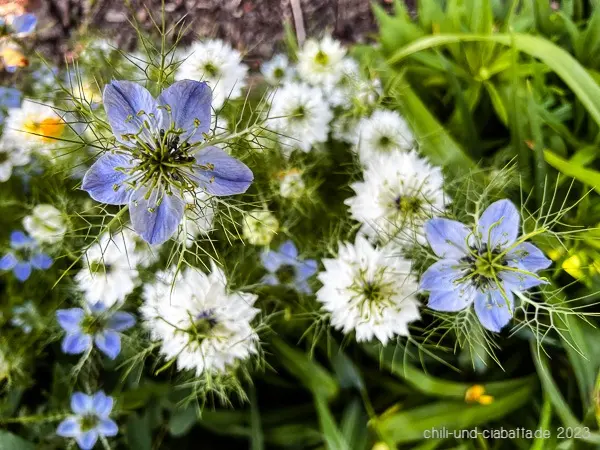
Introduction
Nigella sativa, commonly known as nigella or black cumin, has long been celebrated for its unique flavour and myriad health benefits. Originating from the Mediterranean region and South Asia, this aromatic seed has increasingly found its way into contemporary culinary practices. Its growing popularity is significantly attributed to the rising interest in natural wellness and gourmet cooking. With its distinctive taste, nigella is not just a spice but a powerhouse ingredient that chefs and health enthusiasts alike are keen to explore.
The Culinary Uses of Nigella
Nigella seeds are small and black, resembling miniature black sesame seeds, and imparts a robust, peppery flavour with a hint of onion and oregano. Traditionally, nigella is used in various dishes, particularly in Middle Eastern and Indian cuisines. It is often sprinkled on naan bread, incorporated into curries, or used to flavour pickles. Its versatility extends to salads, roasted vegetables, and even baked goods, enhancing both taste and nutrition. Furthermore, as its characteristics become recognised in gourmet spheres, more chefs are experimenting with nigella in contemporary dishes across Europe and North America.
Health Benefits of Nigella
Beyond its culinary appeal, nigella offers numerous health benefits that contribute to its rising popularity. It is rich in antioxidants and has anti-inflammatory properties, making it a valuable addition to a balanced diet. Studies suggest that nigella may aid in managing conditions such as asthma, diabetes, and high cholesterol. Additionally, its antimicrobial properties can support overall health by improving immune function. With increased consumer awareness of holistic health approaches, nigella is gaining traction for its therapeutic potential, prompting more people to incorporate this seed into their daily routines.
Current Trends and Market Growth
The demand for nigella products is on the rise, with markets increasingly embracing natural and organic ingredients. According to market research, the global nigella seed market is projected to grow significantly over the next few years, driven by consumer preferences for healthy food options. This trend is further exacerbated by the influence of social media, where health influencers and chefs showcase nigella’s versatility and benefits, elevating its status in the culinary world.
Conclusion
Nigella is much more than just a spice; it embodies culinary tradition, health benefits, and current food trends. As consumers seek healthier, natural alternatives in their diets, nigella presents a valuable option that aligns with both taste and wellbeing. Its unique flavour can enhance a multitude of dishes, while its nutritional properties offer an appealing reason for inclusion in everyday meal planning. As we move forward, nigella is set to play an increasingly vital role in kitchens around the world.
