Introduction
Suriname, located on the northeastern coast of South America, is a nation often overlooked in favour of its more prominent neighbours. However, this small country boasts a rich tapestry of biodiversity, cultural heritage, and historical significance. Its relevance has increased as eco-tourism rises in popularity, and more travellers seek off-the-beaten-path destinations.
Geography and Biodiversity
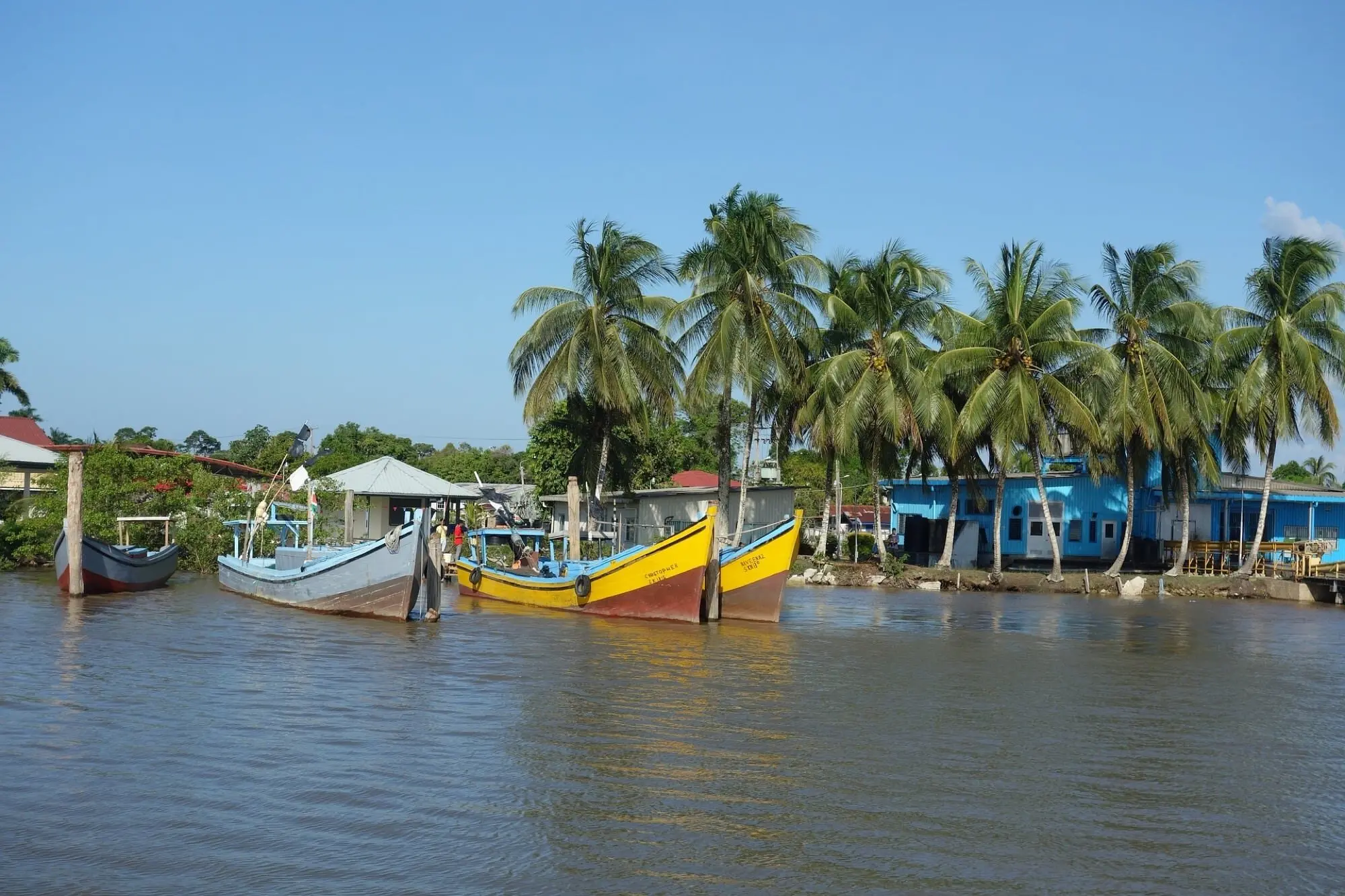
Covering approximately 163,821 square kilometers, Suriname is largely covered by dense rainforest, making it one of the most biodiverse regions on the planet. The Amazon rainforest, which extends into Suriname, is home to an array of wildlife, including jaguars, caimans, and hundreds of bird species. The country is also endowed with numerous rivers, the largest being the Suriname River, which plays a crucial role in the local economy and transportation.
Culture and Society
Suriname’s cultural landscape is as diverse as its flora and fauna. The country is home to several ethnic groups, including Indigenous peoples, Afro-Surinamese, East Indians, Javanese, Chinese, and Dutch, each contributing to a vibrant cultural mosaic. The capital city, Paramaribo, is known for its colonial architecture, with many buildings reflecting a mix of Dutch and Caribbean influences. The annual cultural festival, ‘Keti Koti,’ commemorates the abolition of slavery and highlights the nation’s rich history of resilience and unity.
Current Events and Developments
In recent years, Suriname has faced numerous challenges related to environmental issues, economic stability, and governance. As of 2023, the country is focusing on sustainable development to protect its pristine environment while promoting economic growth. The government has begun initiatives to enhance eco-tourism, aiming to attract international travellers keen on experiencing the unique ecosystems and vibrant cultures that Suriname offers. Additionally, efforts are being made to improve infrastructure and healthcare, addressing the needs of its population.
Conclusion
Suriname may not be on the radar of many travellers, but its rich biodiversity, cultural heritage, and ongoing developments make it a significant player in South America’s future. As the world shifts towards sustainable practices, Suriname’s efforts in eco-tourism and conservation could position it as a must-visit destination in the coming years. For readers considering their next travel adventure, Suriname promises a unique experience that combines natural beauty with cultural richness, making it an ideal choice for adventure seekers and cultural enthusiasts alike.
