The Importance of Statins in Heart Health
Statins are a class of medications widely prescribed for lowering cholesterol levels and reducing the risk of cardiovascular diseases. As heart disease remains one of the leading causes of death worldwide, understanding the implications of statin use, particularly concerning their side effects, is essential for patients and healthcare professionals alike.
Recent Findings on Statins Side Effects
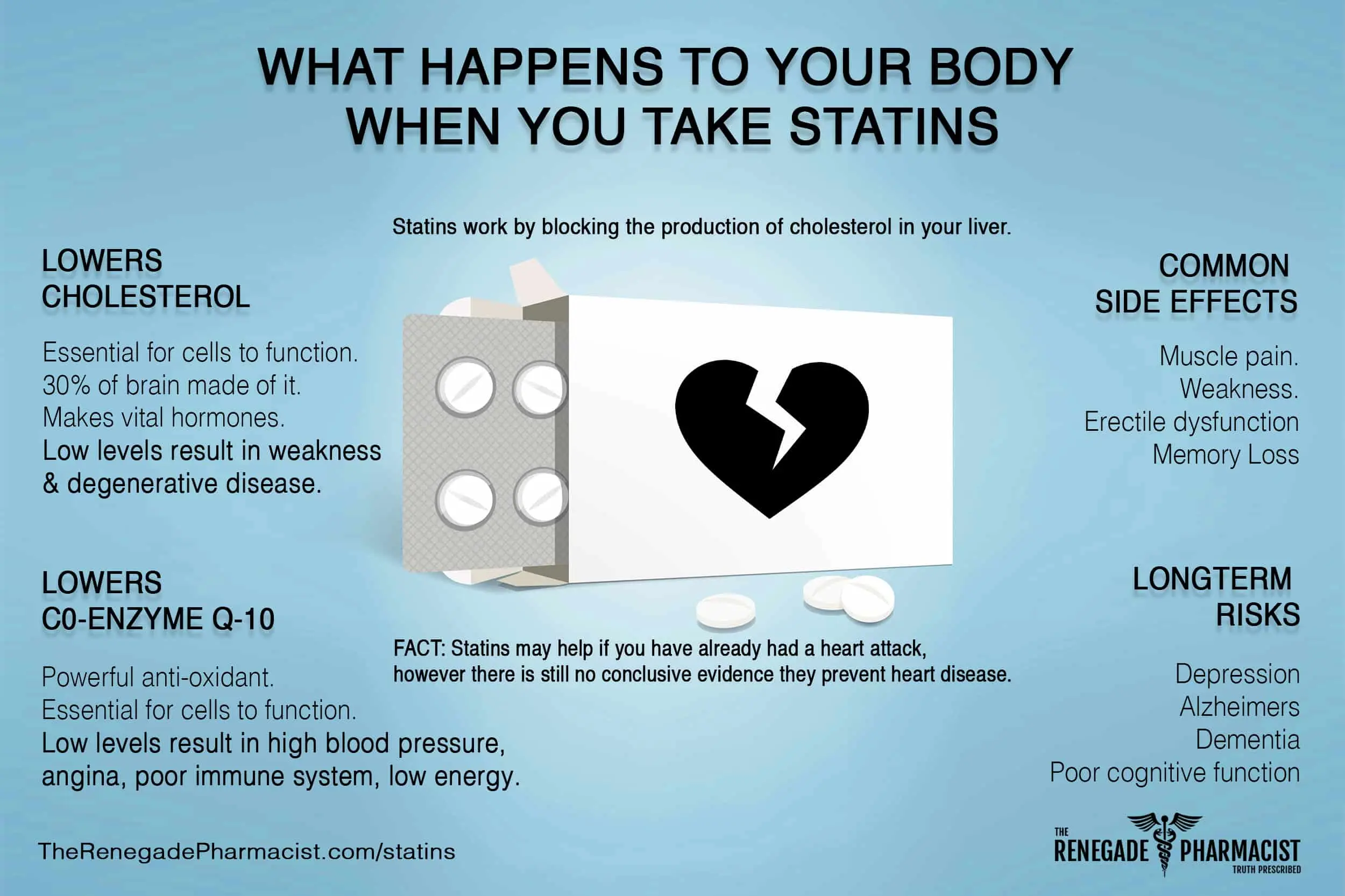
While statins have proven effective, recent studies have highlighted potential side effects that may affect patient compliance and health outcomes. Common side effects include muscle pain, fatigue, and digestive issues. According to a study published in the Journal of the American College of Cardiology, approximately 10-20% of patients experience muscle-related side effects, leading some to discontinue treatment prematurely.
Emerging Research
Current research is delving deeper into the long-term effects of statins. A report from the American Heart Association indicates that the benefits of statins in preventing heart attacks and strokes generally outweigh the risks of side effects. However, a subset of the population may experience more significant adverse effects, such as an increased risk of diabetes. This has prompted healthcare providers to engage in more personalized discussions about statin therapy, considering individual risk factors and lifestyles.
Patient Perspectives
Patient experiences vary widely, with many reporting significant improvements in their overall health and cholesterol levels after starting statin therapy. Nevertheless, concerns over side effects, particularly regarding muscle pain and weakness, can significantly affect adherence. A recent survey found that one third of statin users reported that side effects adversely impacted their daily activities.
Conclusion and Future Implications
As research continues to evolve, healthcare professionals are encouraged to provide comprehensive information about the potential side effects of statins to help patients make informed choices. With ongoing advancements in medical research and a focus on personalised medicine, the future of statin therapy may involve better management strategies for side effects, potentially enhancing adherence and patient outcomes. For individuals taking statins or considering them, it is crucial to maintain open communication with healthcare providers to tailor treatment plans effectively in light of these findings.
