Introduction
The introduction of lossless music by streaming services has transformed how we experience sound. Spotify, one of the world’s largest music streaming platforms, has been in the spotlight recently for its plans to enhance sound quality through lossless audio. This feature is significant for audiophiles and casual listeners alike, seeking higher fidelity in their music consumption.
Current Developments
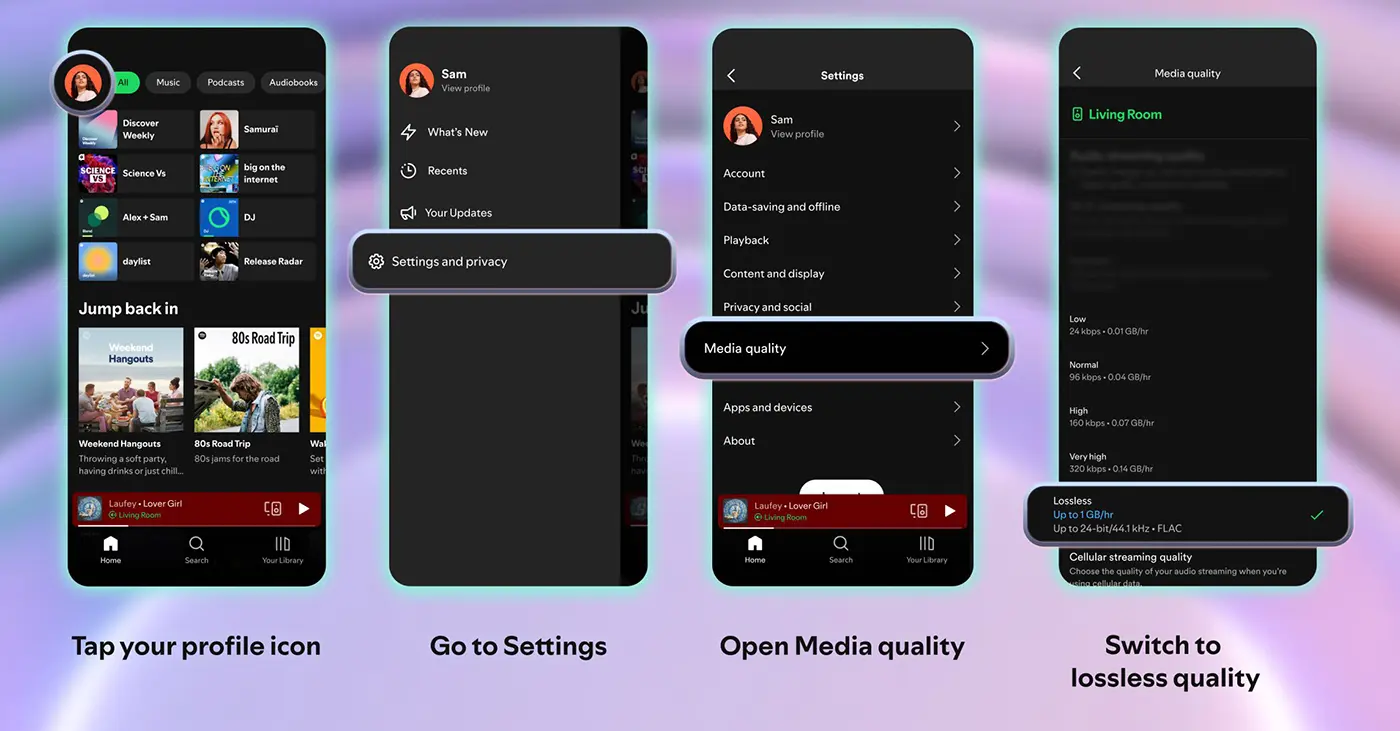
In early 2023, Spotify announced that it would launch a lossless audio streaming option known as ‘Spotify HiFi’. This feature allows users to listen to their favourite tracks in the highest quality available, providing a more detailed and immersive audio experience. This move comes as competitors like Tidal and Amazon Music had already embraced high-definition audio streaming, prompting many to ask how Spotify would respond to the growing demand for higher-quality sound.
What is Lossless Music?
Lossless music refers to audio files that compress music data without sacrificing sound quality. Unlike lossy formats (like MP3) that discard certain audio frequencies for reduced file sizes, lossless formats retain all the original audio information, resulting in clearer and more accurate sound reproduction. This is especially important for listeners using high-end headphones or audio equipment, where even slight differences in sound can be noticeable.
How Will Spotify HiFi Work?
Spotify HiFi will be available to users subscribed to Spotify Premium. The feature will offer the option to stream music in CD-quality while maintaining the convenience of digital formats. This shift might require higher bandwidth and more data usage compared to standard streaming, so users may need to consider their data plans and internet capabilities when opting for this service.
Market Impact
The introduction of lossless music playback on Spotify is expected to reshape the competitive landscape of music streaming. Experts predict that as Spotify rolls out this feature, it will not only attract new subscribers but also retain those contemplating switching to competitors like Tidal, which has firmly established its reputation in high fidelity. Additionally, this move may push other streaming services to enhance their offerings to keep pace with Spotify’s evolving library.
Conclusion
Spotify’s foray into lossless music streaming marks a significant milestone in the ongoing evolution of music consumption. As the demand for better sound quality continues to rise, Spotify HiFi could redefine user expectations and industry standards, affirming Spotify as a leader in the digital music space. As we anticipate its release, music listeners can look forward to an enriched auditory experience that aligns with the technological advancements in audio playback.
