Introduction
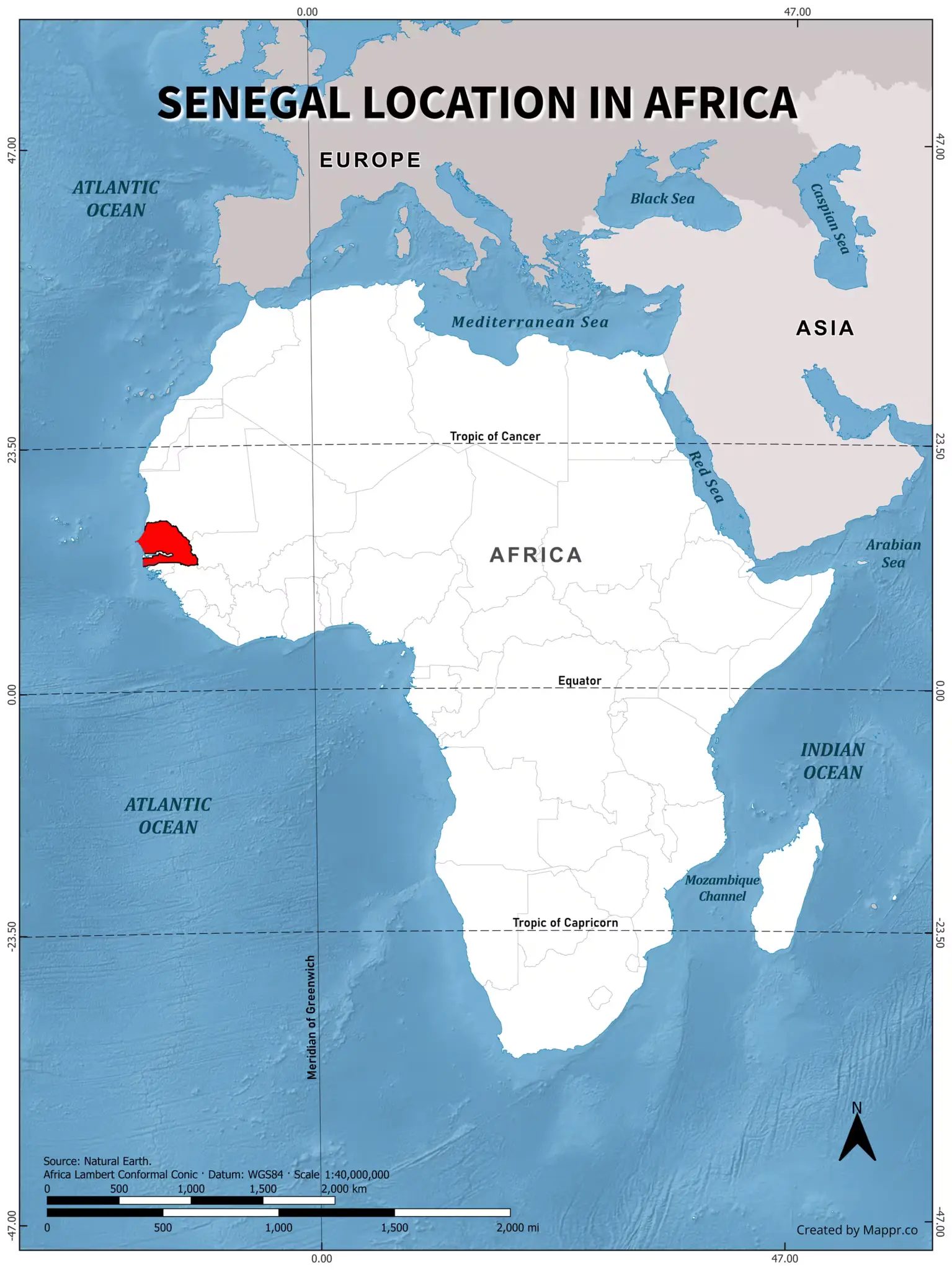
Senegal, a West African country known for its rich culture and diverse landscapes, has emerged as a significant player on the continent. With a population of over 16 million, it serves as a gateway to Africa for many due to its strategic geographical location and historical significance. Recognised for its political stability, thriving economy, and vibrant culture, Senegal is increasingly becoming an attractive destination for tourism and investment, which holds tremendous relevance in today’s rapidly changing global landscape.
Current Events in Senegal
In recent months, Senegal has been in the spotlight for various reasons, particularly for its burgeoning economic expansion. The country’s government has initiated ambitious infrastructural projects, including enhancements to its transportation network and energy sector. The recently inaugurated Dakar-Diamniadio Toll Highway showcases the government’s commitment to improving transport links. Furthermore, the country is investing heavily in renewable energy resources, aiming to increase the share of energy from renewable sources in its energy mix to 30% by 2025.
Furthermore, Senegal has recently gained international attention due to its leadership in promoting regional stability and security. The nation has been actively involved in peacekeeping operations across Africa, and its diplomatic relations with several countries have positioned it as a mediator in regional conflicts. Senegal’s recent involvement in the mediation efforts in Guinea and Mali has underscored its role as a stabilising force within West Africa.
Cultural Significance
Senegal’s cultural landscape is incredibly diverse, deeply influenced by various ethnic groups such as the Wolof, Fula, and Serer. The capital city, Dakar, is known for its vibrant arts scene, including music genres like Mbalax and the renowned Jazz Festival that attracts international artists. The country’s rich tradition of storytelling, culinary excellence, and the influence of Sufi Islam, particularly through the Mouride brotherhood, reflect the multi-faceted identity of Senegalese society.
Conclusion
In summation, Senegal stands as a beacon of hope and progress in West Africa. Its commitment to sustainable development, cultural heritage preservation, and regional security underlines its importance on the continent. For investors, tourists, and scholars alike, Senegal presents an array of opportunities and experiences. As the country navigates through global challenges, economists and analysts forecast steady growth, hinting at an increasingly significant role in the global arena. Senegal’s journey is one to watch as it embraces both modernity and tradition, making it a noteworthy nation for various stakeholders in the years to come.
