Introduction
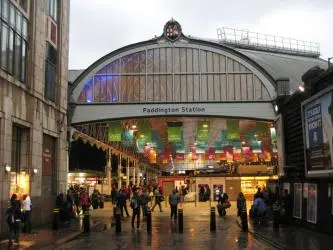
Paddington Station is not just a railway terminus; it is an iconic symbol of London’s transport network and rich history. Opened in 1854, it serves as a crucial hub connecting London to several regions and cities in the UK, including the West Country and Wales. Its architectural beauty and functional importance make it a central part of both local and tourist travel, which is why understanding its history and current developments is essential for anyone navigating London.
Historical Significance
Designed by the prominent engineer Isambard Kingdom Brunel, Paddington Station showcases the Victorian era’s engineering prowess with its stunning roof structure and grand entrance. The station was originally built for the Great Western Railway (GWR), whose services expanded rapidly during the 19th century. Over the decades, the station has undergone numerous renovations, enhancing its capacity and functionality while preserving its historic charm.
Recent Developments
In recent years, Paddington has evolved significantly. With the introduction of the Elizabeth Line in 2022, the station has seen a surge in passenger numbers. The new line connects Paddington to central London and the southeast, further solidifying its role as a critical transport interchange. This multimodal hub now combines services from GWR, Heathrow Express, London Underground, and the new Elizabeth Line, making it one of the UK’s key railway stations.
Additionally, Paddington Station has embraced modernisation with upgrades to facilities, including shopping, dining options, and improved passenger amenities. The historic concourse has been revitalised to create a welcoming environment for commuters and tourists alike.
Significance for Commuters and Tourists
For commuters, Paddington offers seamless travel options across London and beyond. Its strategic location in West London serves as a gateway to many attractions, including Hyde Park, the Natural History Museum, and the famous Paddington Bear statue. Tourists often visit the station to capture a piece of London’s history, making it an integral part of their journey. This blend of historical significance and modern convenience makes Paddington Station a focal point in the transport landscape of London.
Conclusion
Paddington Station continues to be a pivotal part of London’s transport infrastructure. Its blend of historical value and modernisation reflects the city’s dynamic nature. As London moves towards even more integrated transport solutions, Paddington Station will undoubtedly remain at the forefront, serving both the daily commuter and the international visitor. With ongoing developments, it appears the station’s relevance will only increase in the years to come.
