Introduction
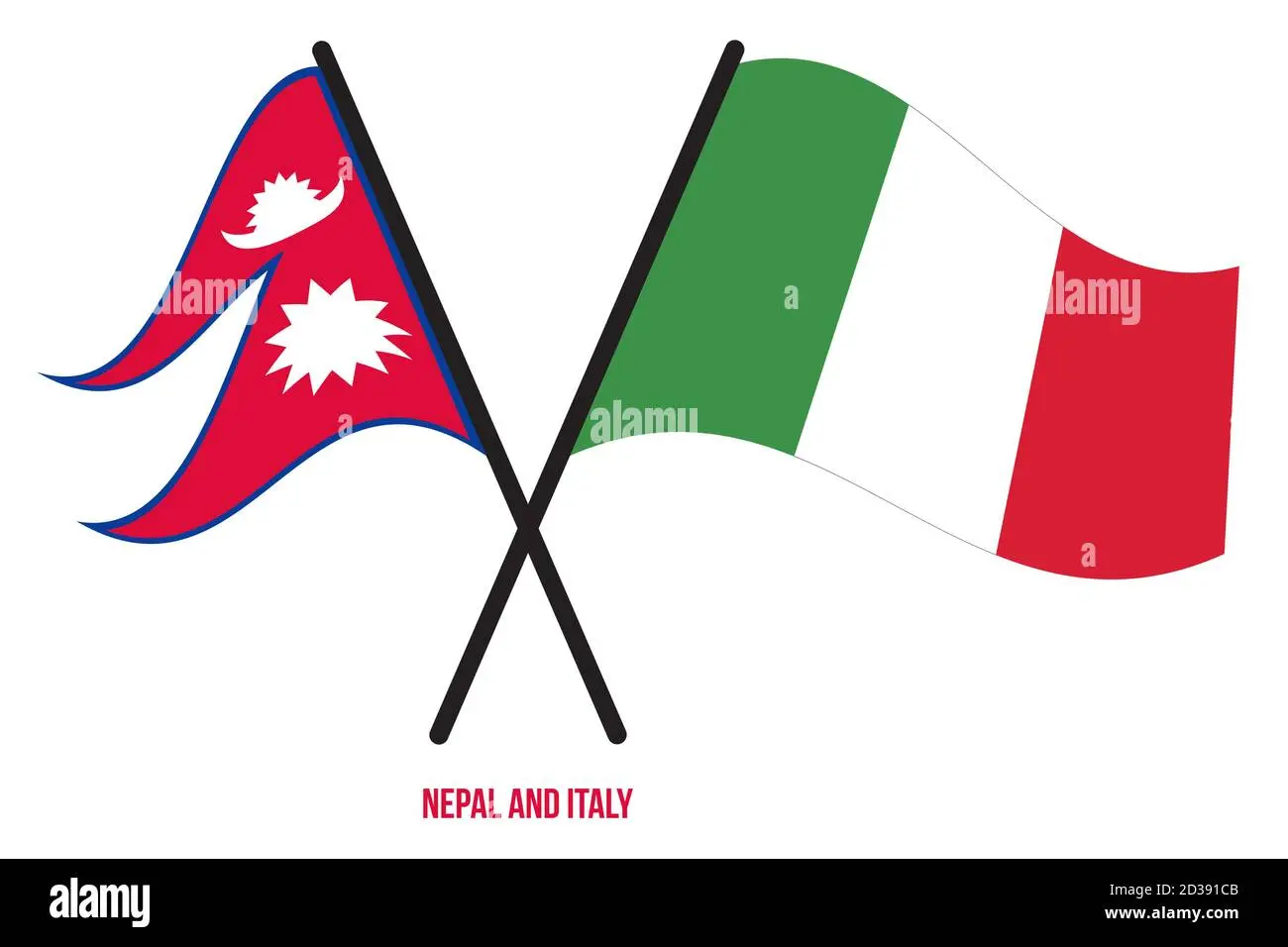
The comparison between Nepal and Italy offers unique insights into two culturally rich nations with vastly different historical backgrounds, economic structures, and geographical landscapes. Understanding the contrasts and similarities between them is crucial in appreciating the diversity of global culture and economy. As travel resumes in a post-pandemic world, insights into these two nations become increasingly relevant for tourists, investors, and scholars alike.
Geographical and Cultural Overview
Nepal, renowned for its majestic Himalayan mountain range, including Mount Everest, boasts a rich tapestry of cultures, languages, and religions. The nation has a population of approximately 30 million and is primarily known for its Hindu and Buddhist influences. On the other hand, Italy, with a population of around 60 million, is famed for its historical contributions to art, architecture, and science, being home to landmarks like the Colosseum and the Vatican City.
Economic Comparisons
Economically, Nepal is considered a developing country, with agriculture accounting for around one-third of its GDP. Its economy heavily relies on remittances from abroad, tourism, and certain industries like handicrafts. Conversely, Italy is one of the largest economies in the Eurozone, with a diverse industrial base encompassing manufacturing, fashion, and automotive sectors. As of 2023, Italy’s GDP stands at approximately €2 trillion, reflecting its economic strength and influence within the European Union.
Recent Developments
In recent months, Italy has focused on recovering from the economic impacts of COVID-19, bolstering its tourist sector, which suffered significantly due to travel restrictions. On the other hand, Nepal has been making efforts to enhance its tourism offerings, particularly through adventure tourism and eco-tourism, positioning itself as a must-visit destination in the South Asian region. Notably, both nations are also navigating climate change impacts, albeit in different contexts, with Nepal facing challenges related to glacial melting and Italy dealing with increased droughts.
Conclusion
The comparisons between Nepal and Italy underscore the significance of cultural diversity and economic strength in today’s global landscape. With Italy’s advancements in industrial achievements and Nepal’s rich cultural heritage and natural beauty, both countries contribute uniquely to the world stage. As international relationships continue to develop, understanding the nuances between these divergent locales can lead to fruitful exchanges in culture, tourism, and economic opportunities. This knowledge opens avenues for potential partnerships, tourism growth, and cultural exchange programs that may enrich the lives of both nations’ citizens.
