Introduction
Manchester Piccadilly is not just a railway station; it is a central hub of transport and culture in the heart of Manchester, England. As the busiest railway station in the North West, it plays a vital role in connecting the city to regional and national destinations. With its rich historical background and vibrant atmosphere, Manchester Piccadilly holds significant importance to both locals and tourists alike.
History and Architecture
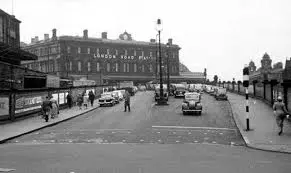
Manchester Piccadilly was opened in 1842 and has since undergone various transformations. The station’s current structure, designed by architect Sir Basil Spence, was completed in 1960, featuring a modernist style that reflects the city’s industrial heritage. In 2016, an extensive renovation was completed, upgrading the facilities to accommodate the growing number of passengers, which now exceeds 28 million annually.
Transport Connections
Manchester Piccadilly serves as a key node in the UK’s rail network, providing services to major cities including London, Birmingham, and Liverpool. In addition to its rail connections, the station is served by local Metrolink services, connecting commuters to various districts in Greater Manchester. The station’s accessibility has led to its recognition as one of the UK’s most efficiently connected transport hubs.
Cultural Significance
The area surrounding Manchester Piccadilly is filled with cultural landmarks. Nearby, visitors can find the iconic Manchester Art Gallery, the historic Palace Theatre, and the bustling Northern Quarter, known for its independent shops and eclectic eateries. The station is often used as a launching point for cultural events and festivals, including the famous Manchester International Festival.
Recent Developments
Recent developments have added to the appeal of Manchester Piccadilly. Plans are underway to further enhance the station’s facilities, with proposals for a new Metrolink stop and improved accessibility for passengers. The station’s proximity to the city centre has inspired future urban regeneration projects, which promise to enrich the cultural fabric of Manchester.
Conclusion
Manchester Piccadilly stands as a symbol of the city’s growth and resilience. Its importance as a transport hub is paralleled by its role as a cultural heart, making it an essential destination for both residents and visitors. As Manchester continues to grow, Piccadilly is poised to play an even more significant part in shaping the city’s future.
