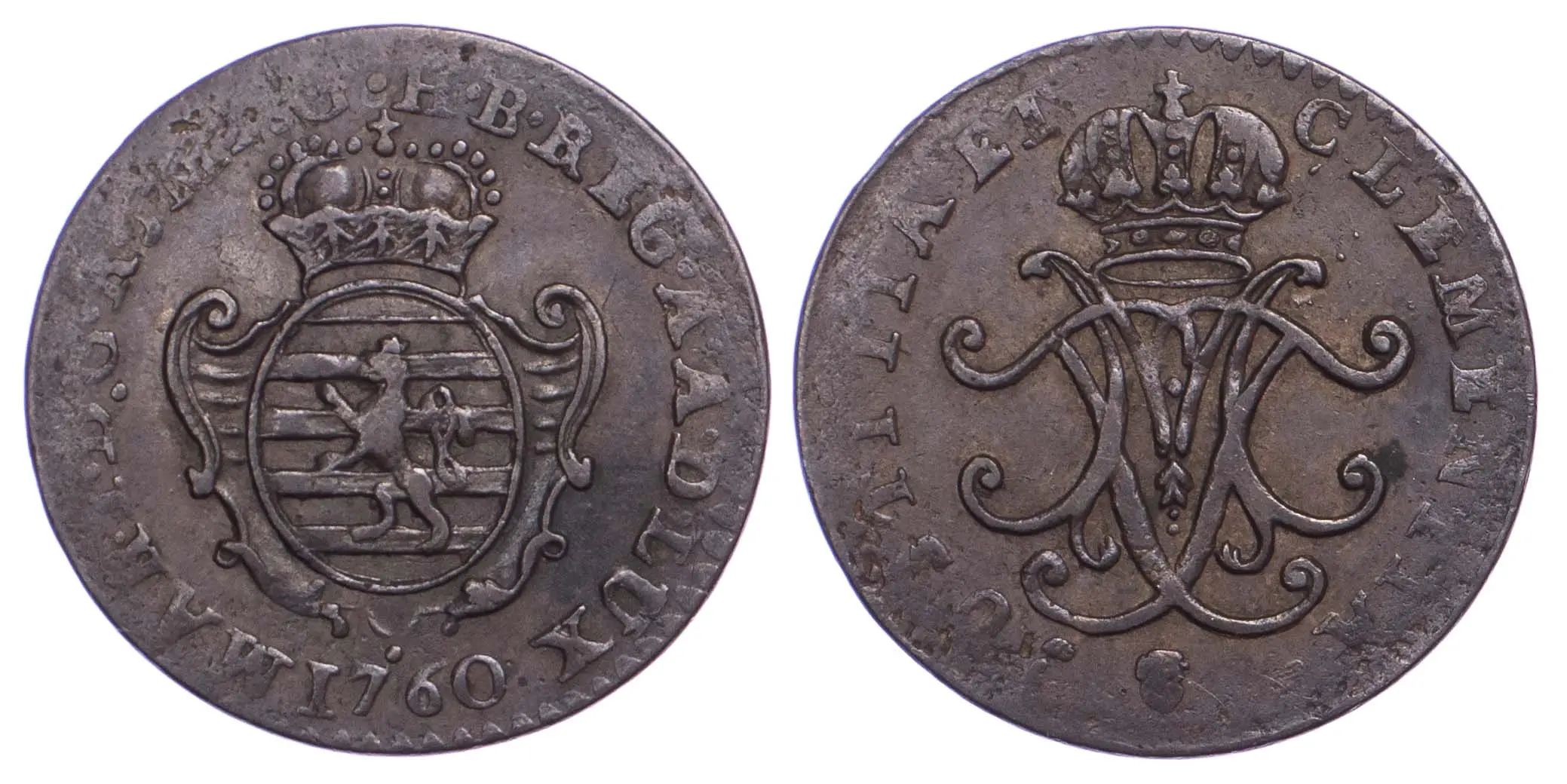
Introduction
Luxembourg, one of Europe’s smallest and most prosperous countries, has garnered increasing attention for its unique cultural heritage and robust economy. Situated at the heart of Western Europe, Luxembourg is bordered by Belgium, Germany, and France. Its strategic location has contributed to its significance as a hub for international relations and finance. The country’s status as one of the founding members of the European Union further underscores its relevance on the global stage.
The Economy: A Financial Powerhouse
Luxembourg’s economy is one of the most resilient in the world, characterised by a strong financial services sector. The Grand Duchy boasts the second-highest GDP per capita in the world, driven by banking, investment funds, and technology. In recent years, the government has focused on promoting sectors such as technology and innovation, which is vital for sustaining economic growth. In 2023, reports indicated that the country was positioned to remain a leader in digital finance, attracting startups and established companies alike.
Cultural Richness
The cultural scene in Luxembourg is as diverse as its population, with over 170 nationalities represented within its borders. The capital, Luxembourg City, is known for its historical sites, including the Old Quarter, a UNESCO World Heritage site, and its impressive fortifications. Events such as the Luxembourg City Film Festival and the Fête de la Musique showcase the country’s vibrant arts scene. Furthermore, local cuisine, which features influences from French and German culinary traditions, plays a significant role in the nation’s identity.
Political Landscape
Luxembourg operates as a constitutional monarchy, with a parliamentary system. The Grand Duke plays a ceremonial role, while the Prime Minister oversees the government. The nation has been proactive in addressing global challenges, such as climate change, and has set ambitious targets for reducing carbon emissions. In recent years, Luxembourg has also been at the forefront of advocating for social issues like gender equality and digital rights.
Conclusion
In conclusion, Luxembourg is not just a financial powerhouse but also a rich cultural hub that resonates with the ideals of modern Europe. As the country continues to grow and adapt, its significance on the European and global stage is likely to increase. For readers, understanding Luxembourg’s unique charm offers insights into its role in shaping European policies and its continuing evolution in the face of global challenges.
