Introduction
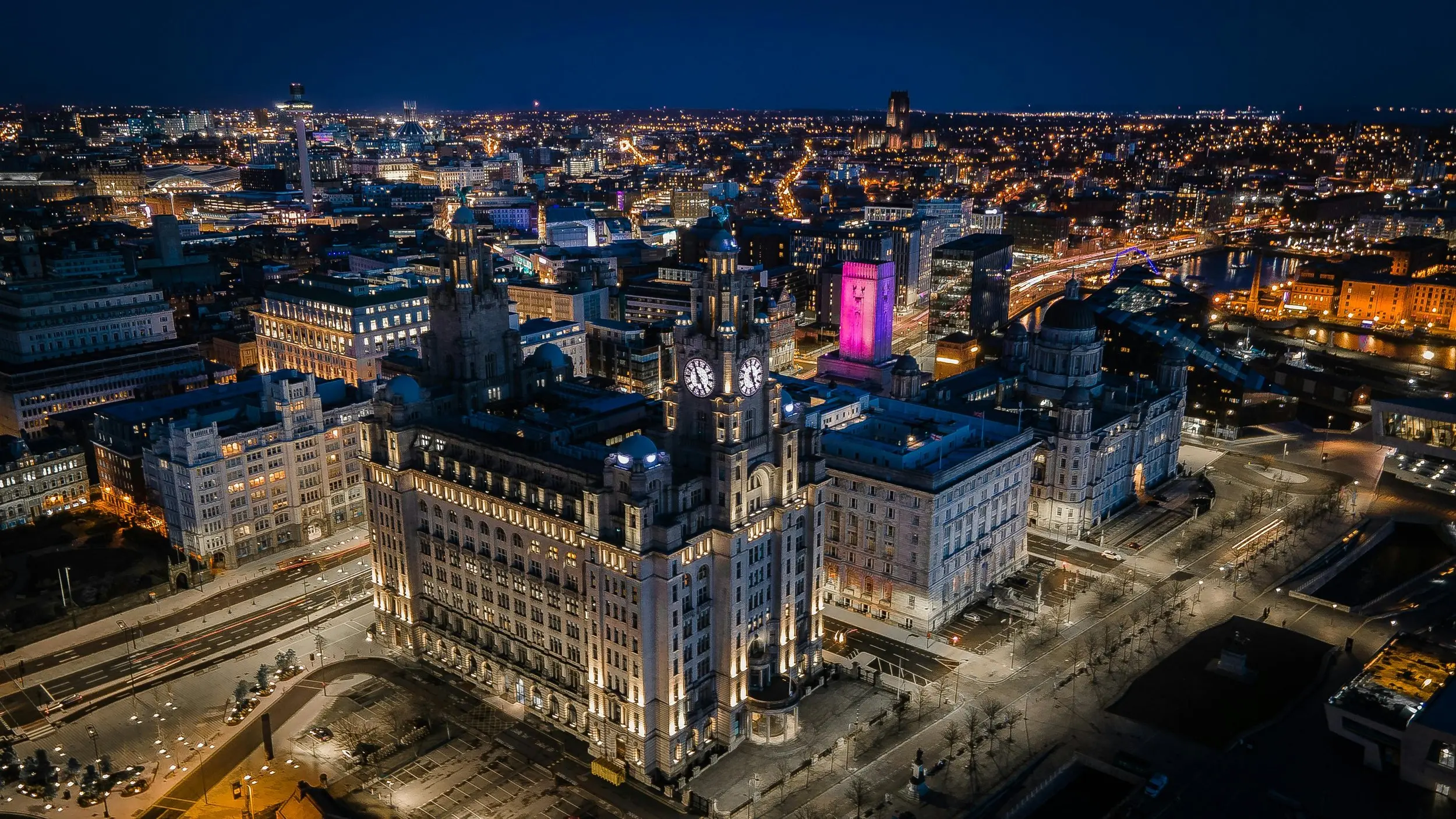
Liverpool City, situated in the northwest of England, is a vibrant urban area rich in history and cultural significance. Known for its maritime history and as the birthplace of The Beatles, Liverpool attracts millions of tourists every year. Its significance extends beyond tourism, as it serves as an economic centre with a diverse economy, making it a vital part of the UK’s socio-economic landscape.
Cultural Heritage
Home to over 100 museums and galleries, Liverpool’s cultural offerings are vast. The World Museum Liverpool and the Walker Art Gallery house significant collections that reflect not only local but global history and art. Additionally, the city’s annual events, such as the Liverpool International Music Festival, spotlight its ongoing status as a musical epicentre. Museums in the city tell the story of its pivotal role in the transatlantic slave trade and maritime industry, promoting understanding and reflection on historical events.
Sporting Significance
Liverpool is also renowned for its sporting heritage, particularly in football. The city is home to two of the most successful clubs in English football: Liverpool F.C. and Everton F.C. Matches at Anfield or Goodison Park draw thousands of fans, demonstrating the city’s passion for the sport. Recent refurbishments and investments into sporting infrastructure further highlight Liverpool’s commitment to maintaining its status as a sports city.
Economic Landscape
Economically, Liverpool City is thriving, supported by diverse sectors, including biomedicine, manufacturing, and digital technologies. The Liverpool City Region Combined Authority has been instrumental in driving economic recovery and growth post-pandemic. Notably, the £1 billion Liverpool Waters development is poised to transform the waterfront and attract new businesses and residents. The port of Liverpool enhances trade links, making it one of the UK’s largest and busiest ports.
Conclusion
In conclusion, Liverpool City stands as a significant hub of culture and economic activity in the UK. Its rich history, vibrant cultural scene, and strategic economic developments position it well for the future. As it continues to evolve and adapt, Liverpool remains a city of opportunity and heritage, worthy of exploration not only for tourists but also for those looking to invest in a growing urban centre.
