Introduction
City Hall, located on the south bank of the River Thames in London, serves as the headquarters for the Greater London Authority (GLA). It plays a crucial role in local governance, housing the office of the Mayor of London and the London Assembly. The building is not just a seat of power but also a symbol of modern London, reflecting the city’s commitment to transparency, accessibility, and public engagement.
Architecture and Features
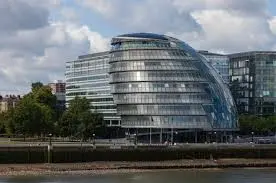
Designed by renowned architects Foster and Partners, City Hall was completed in 2002 and showcases a distinctive modern design featuring a bulbous shape. Its innovative architecture allows maximum natural light and promotes energy efficiency, aligning with London’s sustainability goals. The building rises to a height of 45 metres and is constructed from a range of materials, predominantly glass, inviting public interaction and showcasing the riverside along the Thames.
Functions and Public Engagement
City Hall is home to significant governance structures, including the office of the Mayor of London, currently held by Sadiq Khan, who has implemented several major initiatives focusing on housing, transport, and environmental sustainability. The London Assembly, comprised of elected representatives who scrutinise the Mayor’s actions and decisions, also convenes within these walls.
Moreover, City Hall functions as a public space, open to citizens providing a venue for exhibitions, events, and community engagement activities. Regular workshops, consultations, and public debates are organised, allowing Londoners to be part of the decision-making process, raising their voices on issues that matter to them.
Recent Developments
As of 2023, City Hall continues to adapt to the evolving needs of London’s residents. The GLA has focused on recovery strategies in light of the COVID-19 pandemic, addressing pressing issues such as affordable housing, green spaces, and youth support. The Mayor has reaffirmed commitments to creating a more inclusive city, demonstrating how City Hall will remain a proactive, engaging institution.
Conclusion
City Hall stands as an emblem of London’s dynamic governance, blending functional architecture with the ideals of community empowerment. It invites residents to engage with their local government, listen to diverse viewpoints, and partake in shaping the city’s future. As London continues to face global challenges, City Hall will likely remain at the forefront, adapting strategies to promote resilience and prosperity for all its citizens. The ongoing evolution of this iconic building reflects the city’s commitment to modern governance while being a beacon of hope and community engagement.
