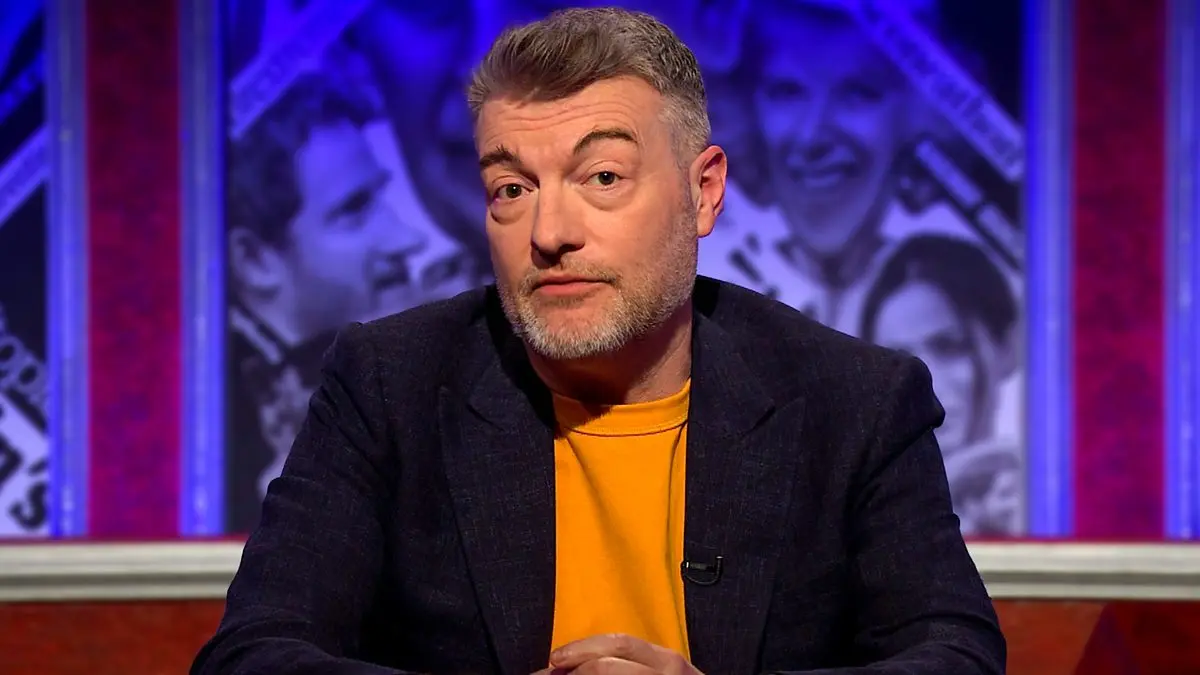
Introduction to Have I Got News for You
Recognised as one of the UK’s most beloved television programmes, Have I Got News for You has been entertaining audiences since its launch in 1990. This BBC quiz show cleverly combines satire with current events, allowing viewers to engage with the news in a humorous yet critical manner. As political landscapes shift and social issues arise, the show’s relevance endures, showcasing the importance of media literacy and commentary in today’s society.
Latest Season Highlights
The current series of Have I Got News for You continues to draw viewers in with its engaging format, where celebrity guests join regular team captains, Paul Merton and Ian Hislop, to tackle the week’s news stories. Recently, the show’s 63rd series launched, and so far, it has welcomed an array of public figures, including actors and politicians, to participate in the satirical commentary.
In recent episodes, the team tackled significant events including political scandals, international conflicts, and even breaking stories related to the UK’s ongoing economic challenges. The witty banter between team members and the audience’s participation contributes to an entertaining viewing experience. Notably, the show’s format encourages critical thinking and scepticism towards media narratives—an essential skill in an era of misinformation.
Impact on Current Affairs and Pop Culture
BBC’s Have I Got News for You not only informs viewers of recent events but also provides a platform for social commentary, drawing attention to pertinent issues through comedy. The show has become a staple in British pop culture, spawning phrases and memorable moments that circulate in everyday conversation. Its satirical take on serious topics encourages audiences to reflect on the absurdities of contemporary life and politics.
Conclusion: A Staple of British Television
As Have I Got News for You continues to entertain its audience, it underscores the power of satire in contemporary media. With the current state of global events, the importance of platforms like this one is more pronounced than ever, as they provide not only humour but also insight into the complexities of current affairs. As the show moves forward, its role in critiquing societal narratives while engaging the public in meaningful discourse is more significant, solidifying its place as a cornerstone of British television.
