Introduction
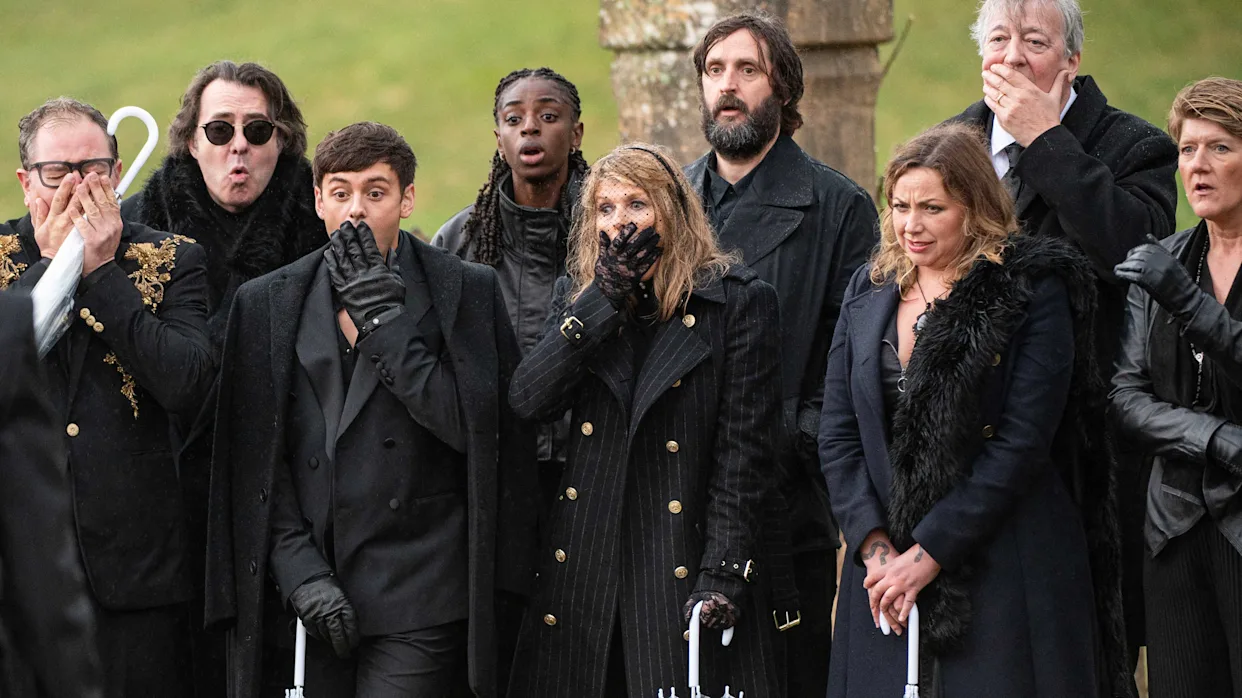
The BBC Traitors has emerged as one of the most captivating game shows on British television, gripping audiences with its unique blend of strategy, deception, and psychological gameplay. Premiering in January 2023, the show has swiftly gained popularity, leading many to commend its innovative format that challenges contestants’ ability to trust one another while navigating complex social dynamics. As the series progresses, it continues to provide entertainment while raising fascinating questions regarding human behaviour and relationships formed in high-stakes environments.
Format and Gameplay
In BBC Traitors, contestants are strategically selected and placed in a luxurious castle where they engage in a series of challenges and tasks designed to earn money for a prize pot. However, there is a twist: among them are a few selected ‘traitors’ whose aim is to sabotage the efforts of their fellow contestants while avoiding detection. As players compete to uncover the traitors among them, tension escalates, leading to dramatic eliminations during the weekly ‘Council’ meetings.
The show has given rise to various strategies, with contestants forming alliances and engaging in manipulative plays to protect themselves and eliminate suspected traitors. Critics and audiences have lauded the blend of trust and betrayal, emphasising how it mirrors real-life social interactions, presenting a fascinating psychological exploration of trust and deception.
Recent Developments and Impact
As the show unfolds, audiences are treated to unexpected twists and shocking eliminations that keep viewers on the edge of their seats. Throughout its run, Traitors presented a diverse array of contestants from various backgrounds, adding layers of complexity to the social game. The emergence of strong personalities and strategic thinkers has played a critical role, making the show not only a test of wits but also a study in human behaviour.
Viewership numbers have soared, with the show reportedly averaging over a million viewers per episode, proving its hold on the British public. Online discussions have flourished, as fans dissect each episode’s events, strategise potential moves, and predict outcomes. Such engagement showcases the wider impact of reality television on societal dynamics and the viewing habits of the audience.
Conclusion
The success of BBC Traitors lies not only in its thrilling format but also in its ability to provoke thought about the nature of trust, deception, and strategy in interpersonal relationships. As it continues to air, viewers can expect emotional rollercoasters along with insightful revelations about human psychology. The discussions it generates contribute to a broader cultural dialogue on the complexities surrounding trust, further underscoring the significance of reality television in contemporary society. The fate of the contestants may change with every episode, but the lessons on human nature will likely resonate long after the final credits roll.
