Introduction
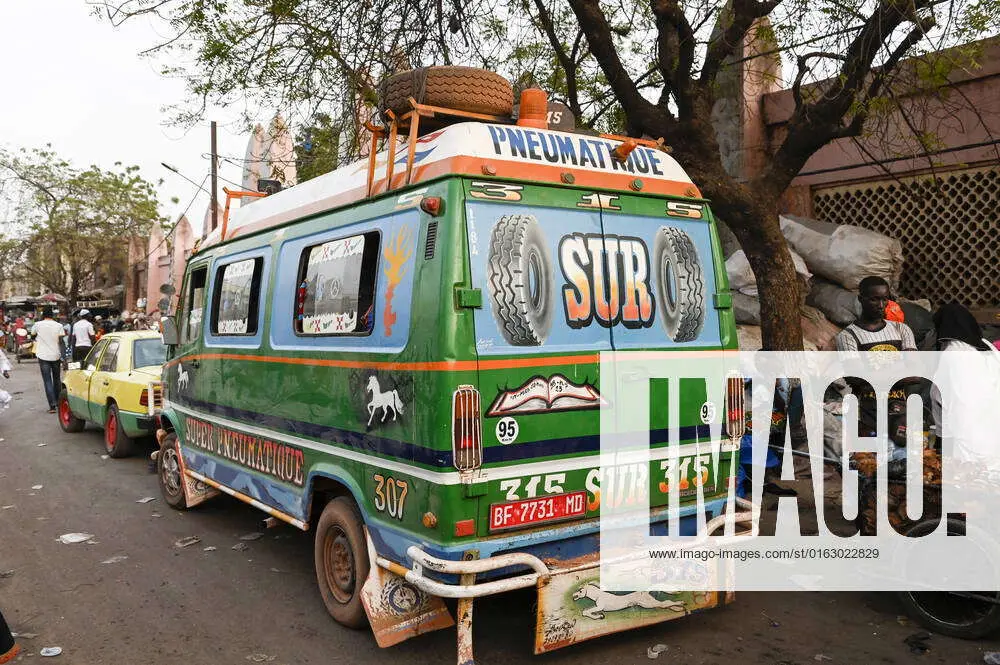
Bamako, the capital city of Mali, is a vibrant hub that embodies the rich cultural heritage and economic potential of West Africa. As the largest city in Mali, Bamako plays a crucial role in the nation’s political, cultural, and economic landscape. Understanding the dynamics of this city is vital, especially as it faces both challenges and opportunities in contemporary times.
Economic Significance
The economy of Bamako is diverse, encompassing sectors such as trade, agriculture, and services. The city serves as a key commercial centre, with its markets bustling with activity. Markets like the Grand Marché offer a variety of local products, from textiles to food. In recent years, the Malian government has prioritised urban development and infrastructure projects, aiming to enhance the economic viability of Bamako. According to a report from the National Institute of Statistics, Bamako contributes significantly to Mali’s GDP, demonstrating the city’s importance in the national economy.
Cultural Landscape
Bamako is known for its vibrant cultural scene, with numerous festivals, music venues, and art galleries. The city is often referred to as the cultural capital of Mali, attracting artists and musicians from across the country. Events such as the Festival on the Niger celebrate the rich musical traditions of the region, showcasing genres like Wassoulou and Afrobeat. Furthermore, institutions such as the Musée National du Mali house important historical artefacts, reflecting the deep cultural roots of the Malian people.
Current Events and Challenges
Despite its charm and vitality, Bamako faces several challenges, particularly political instability and economic difficulties exacerbated by the COVID-19 pandemic. Recent developments in the political landscape, including a military coup in 2021, have raised concerns regarding governance and security. Nevertheless, there are concerted efforts by both local authorities and international organisations to stabilize the situation through dialogue and development initiatives. Humanitarian aid has also been directed towards the city to support those affected by economic hardships and provide essential services.
Conclusion
Bamako remains a city of resilience and opportunity. While challenges persist, its rich culture and economic potential continue to draw attention. As developments unfold, it is vital for stakeholders to engage with the ongoing dynamics to foster a stable and prosperous future for Mali’s capital. For readers interested in West African culture, economics, and politics, Bamako stands as a significant case study, exemplifying the complexities of urban life in the region.
