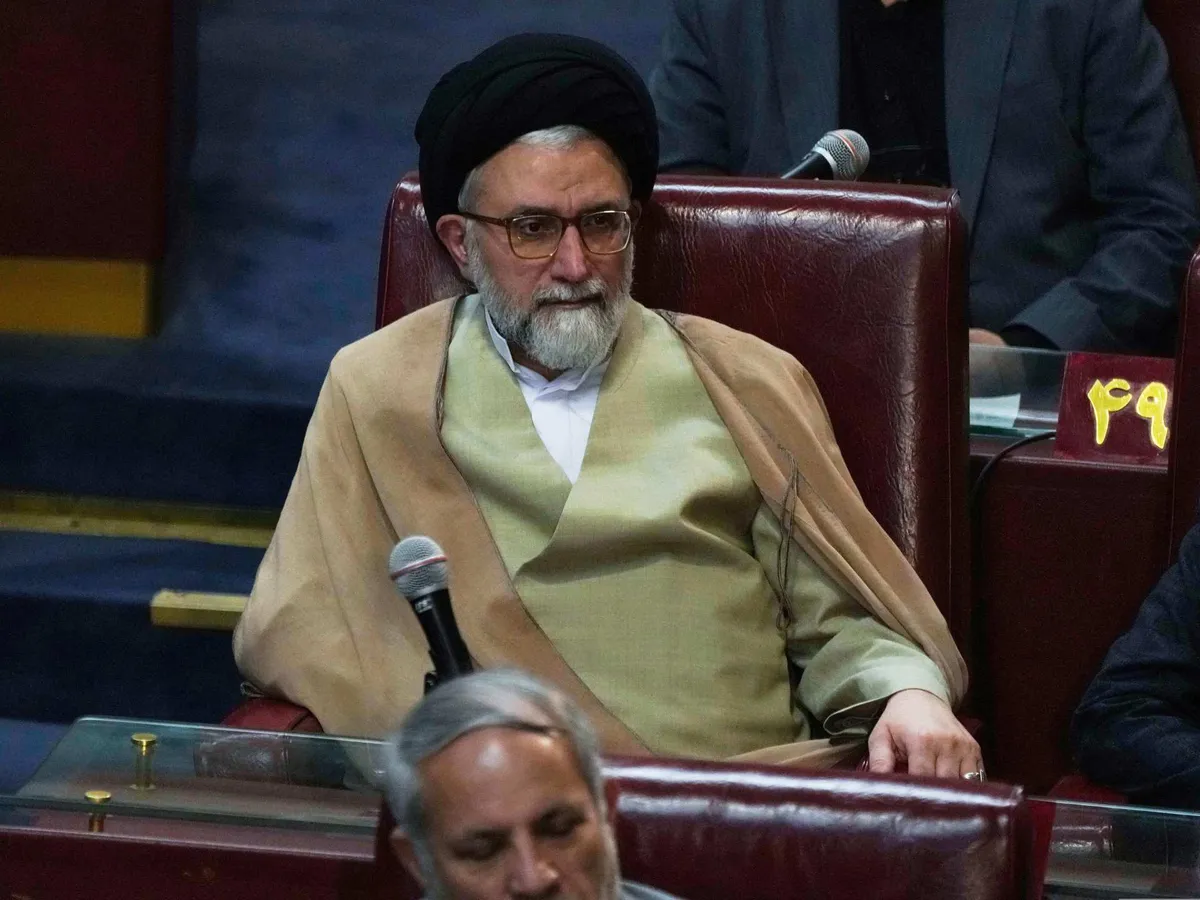
Esmail Khatib, the Iranian Intelligence Minister, was confirmed killed in Tehran on March 18, 2026, by Iranian President Masoud Pezeshkian. This development marks a significant escalation in the ongoing tensions between Iran and Israel.
Khatib’s death was also acknowledged by Israel’s Defense Minister, Israel Katz, who stated that the intensity of strikes in Iran is increasing, indicating a broader strategy targeting senior Iranian officials. Khatib was appointed as intelligence minister in 2021 and was considered close to Iran’s new supreme leader, Mojtaba Khamenei.
The U.S. Treasury had sanctioned Khatib in 2022 for his involvement in cyber-enabled activities against the U.S. and its allies, and he was known for directing networks involved in cyber espionage and ransomware attacks. His killing is part of a series of assassinations of high-ranking Iranian officials attributed to Israel, following the deaths of figures such as Ali Larijani and Gholamreza Soleimani.
Katz emphasized that Israel’s policy is to target any senior Iranian official, stating, “No one in Iran has immunity, and everyone is a target.” This reflects a continued approach by Israel to undermine Iranian influence and capabilities.
Khatib was responsible for Iran’s internal repression apparatus and advancing external threats, making his assassination particularly impactful. Analysts noted that he “ticked every box” in Iran, having graduated from the influential seminary in Qom, which underscores his significant role within the Iranian regime.
The U.S. Department of State had previously offered a $10 million reward for information about Khatib, highlighting the international interest in his activities and the implications of his role in Iran’s intelligence operations.
Details remain unconfirmed regarding the exact circumstances of Khatib’s death, but the event has already drawn significant attention and concern regarding the future of Iranian intelligence and regional stability.
As reactions unfold, it remains to be seen how this assassination will affect Iran’s internal dynamics and its ongoing confrontations with Israel and the West.
