The closure of the Strait of Hormuz has led to unprecedented disruptions in global oil and gas supplies, raising fears of a prolonged energy crisis in Europe. This strategic waterway has historically been a critical passage for a significant portion of the world’s oil and gas, with at least a fifth of these supplies now blocked. The implications are profound, affecting not just energy prices but also geopolitical stability.
The world has averaged one major energy crisis per decade since World War Two. The most recent crises have been fueled by military conflicts, extreme weather, and ongoing supply-chain issues. As tensions escalate around Iran, which has been at the center of these geopolitical struggles, the natural gas market is feeling the strain. The Iran war has already caused the greatest disruption to oil and gas supplies in history.
As a direct consequence of these developments, diesel and petrol prices in Europe have surged by an average of 26% and 12%, respectively, since the onset of the Iran war. Meanwhile, the main European natural gas price benchmark, TTF, doubled from €30 to €60 per megawatt hour within weeks. Such dramatic price increases threaten energy security across Europe.
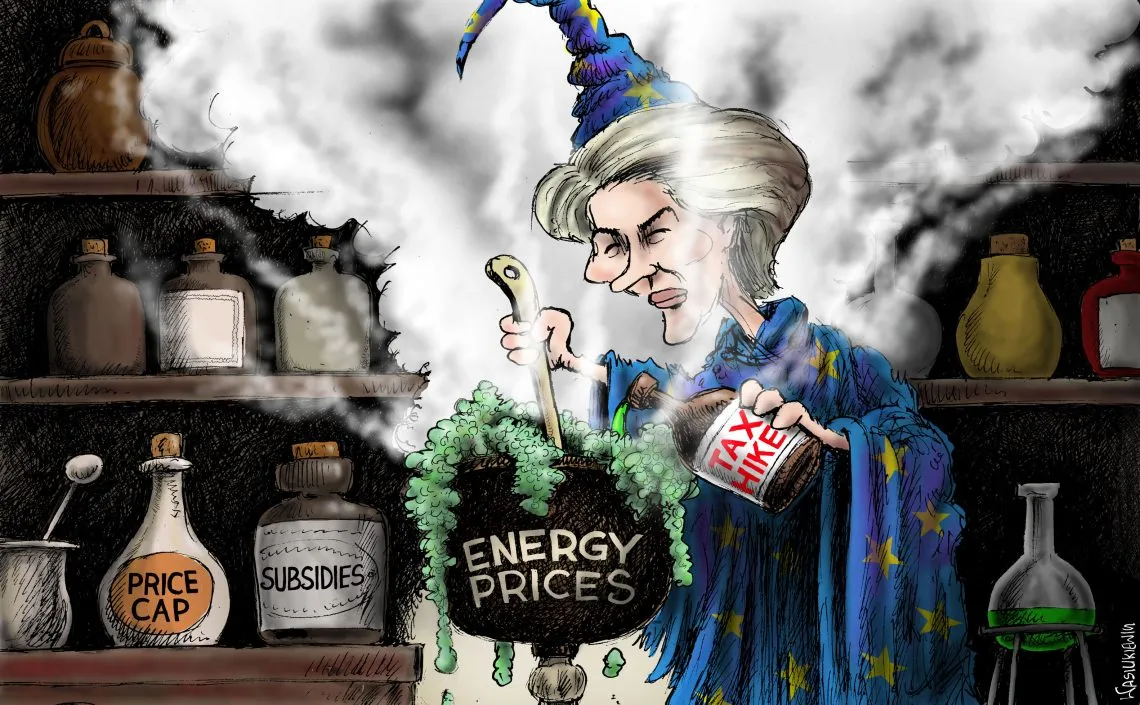
European governments are scrambling to address this crisis. They have committed more than €11 billion in fiscal measures aimed at cushioning households and businesses from soaring costs. Additionally, the EU has adopted the Middle East crisis Temporary State aid Framework (METSAF), which specifically targets sectors like fishery, transport, and agriculture that are heavily impacted.
Officials have voiced their concerns about the future landscape of energy supply. Wopke Hoekstra stated, “We truly need to fasten our seat belts and at least reckon with the possibility that this will continue and potentially will get much worse.” Dan Jørgensen echoed this sentiment by emphasizing that “hope is not a strategy.” The economic data suggests that without a significant shift in energy policy and supply chains, Europe may face even greater challenges ahead.
The ongoing energy transition introduces new vulnerabilities as well—particularly dependence on imports of low-carbon technologies concentrated in China. Ursula von der Leyen remarked on this pressing issue: “We must accelerate the shift to homegrown, clean energies. This will give us energy independence and security…” But can Europe really pivot quickly enough?
The situation remains fluid, with many uncertainties looming over both short-term responses and long-term strategies for energy independence. The next few months will be crucial as European leaders navigate these turbulent waters while trying to secure sustainable solutions.
