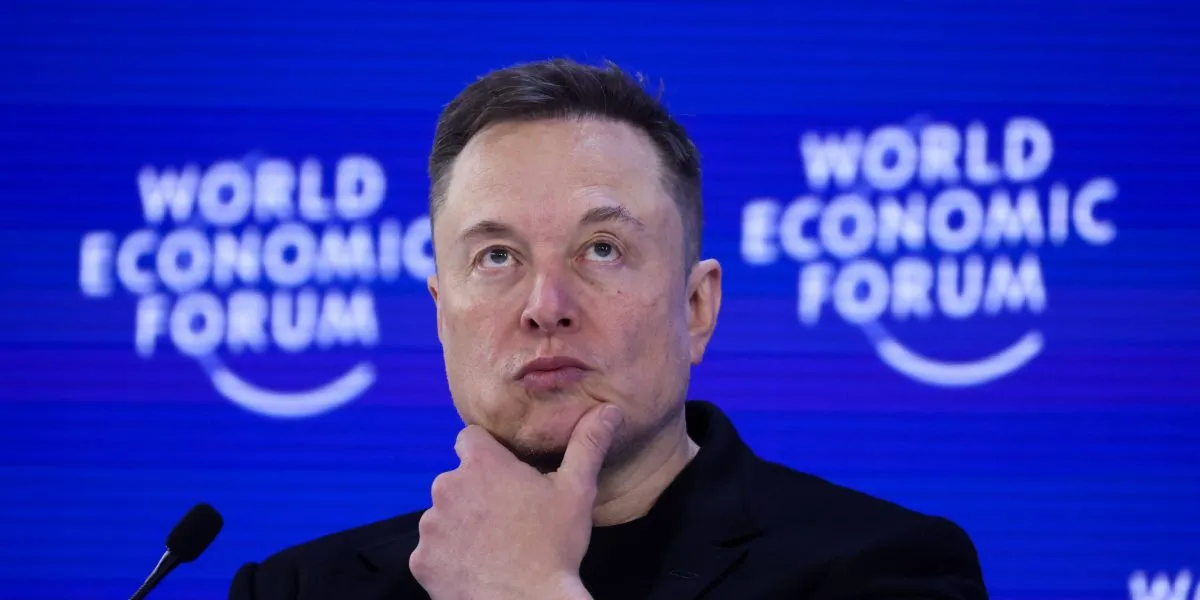
Elon Musk’s controversial assertion that saving for retirement is irrelevant due to the transformative power of AI challenges conventional financial wisdom. He claims, “Don’t worry about squirreling money away for retirement in 10 or 20 years. It won’t matter.” This bold statement reflects a growing belief among some tech leaders that advancements in AI and robotics will fundamentally alter the landscape of work and financial security.
In recent discussions, Musk predicted that by 2030, AI will surpass the intelligence of all humans combined. He believes this shift will lead to a future where humanoid robots outnumber humans on Earth. Such predictions raise an essential question: if machines can do most jobs, what does that mean for human employment?
As it stands, nearly half of surveyed Americans reported they could cover less than $2,000 in emergencies—an alarming statistic given Musk’s assertions. In fact, only 55% of American adults have a ‘rainy day’ fund equal to three months of expenses, down from 59% in 2021. This context matters because it underscores the financial vulnerability many face amid rising inflation and stagnant wages.
Musk further envisions a world where everyone enjoys a “universal you can have whatever you want income.” This idea aligns with discussions surrounding universal basic income (UBI), which aims to provide financial security regardless of employment status. Yet, this raises another question: how realistic is this vision?
Currently, Musk is embroiled in a legal battle with OpenAI, which he co-founded but later distanced himself from. The trial begins soon, with jury selection set for Monday. Musk accuses OpenAI’s leadership—specifically Sam Altman—of misleading him regarding its transition to a for-profit model after he donated over $44 million with the understanding it would remain nonprofit.
This lawsuit could have broader implications for the tech industry as it grapples with ethical concerns around AI advancements and their impact on society. As companies like Microsoft invest heavily in AI—receiving a 27% stake in OpenAI’s public benefit corporation—the stakes continue to rise.
So, what does all this mean for the future of work? If Musk’s predictions hold true, traditional jobs may become obsolete, forcing society to rethink financial planning entirely. The challenge lies in bridging the gap between technological progress and economic stability.
Ultimately, while Musk’s views provoke thought and debate, they also highlight significant uncertainties about our economic future. How will we adapt? As we navigate these changes, one thing is clear: the conversation around saving for retirement and financial security must evolve alongside advancements in AI.
