Introduction
Ed Miliband, the former leader of the UK Labour Party, continues to play a pivotal role in shaping UK politics. His journey, from a prominent political figure to a shadow cabinet member, is marked by significant contributions and evolving political strategies. Understanding Miliband’s current influence and activism is crucial as the UK navigates through pressing social and economic issues.
Background
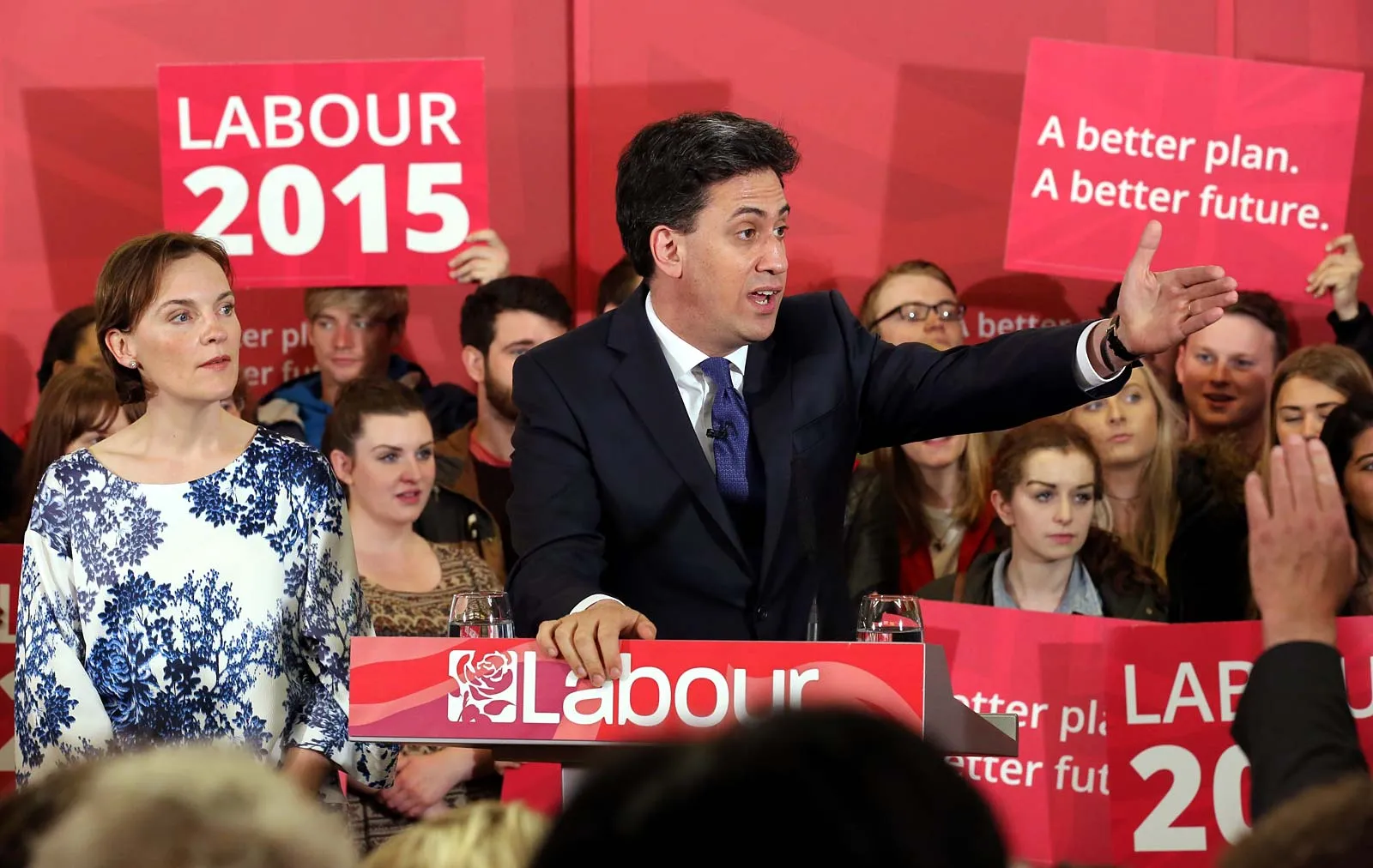
Born on December 24, 1969, Ed Miliband is a British politician who became the leader of the Labour Party in 2010, serving until 2015. His tenure saw a focus on progressive policies but was challenged by various electoral defeats. Following his resignation, Miliband shifted gears towards communication and advocacy, shifting from a front-line politician to a key influencer on policy matters, particularly regarding climate change and social equality.
Current Role and Initiatives
In September 2021, Ed Miliband returned to the forefront of UK politics as the Shadow Secretary of State for Business and Industrial Strategy. In this role, he has been vocal about the need for a green industrial revolution, advocating for policies that support renewable energy and address climate change. His prominent criticism of the government’s handling of the energy crisis further solidified his position as a leading voice in the debate on sustainable energy solutions.
This past year, Miliband has spearheaded various initiatives aimed at creating a more sustainable economy, emphasising the importance of green jobs as a way to boost employment while combating climate change. He has also been actively engaging with constituencies to raise awareness and push for legislative changes.
Significance for Readers
Understanding Ed Miliband’s ongoing contributions to UK politics is particularly valuable as the Labour Party prepares for future elections. His focus on socio-economic issues, particularly in a post-pandemic climate, resonates with many voters concerned about their livelihoods and the planet’s future. As energy prices rise and climate concerns mount, Miliband’s approach could significantly influence Labour’s electoral strategies and policies ahead of the next general election.
Conclusion
Ed Miliband remains an influential figure within the Labour Party and UK politics. His advocacy for sustainability, economic reform, and social justice issues is likely to shape the upcoming political landscape. As public interest in climate change and economic equality intensifies, Miliband’s role will be pivotal, offering voters insights into a potentially transformative Labour agenda that addresses both immediate and long-term challenges.
