Reaction from the field
Easter traditions have a profound impact on communities around the world, blending sacred and secular practices that have evolved over nearly 2000 years. These customs not only celebrate the resurrection of Jesus Christ but also foster family gatherings and cultural identity, making Easter a significant occasion for many.
At the heart of Easter is the celebration of the resurrection of Jesus Christ, a cornerstone of Christian faith. This spiritual significance has led to various traditions that have emerged over the centuries. For instance, the tradition of eating hot cross buns on Good Friday dates back to at least the 12th century, symbolizing the end of Lent and the arrival of Easter.
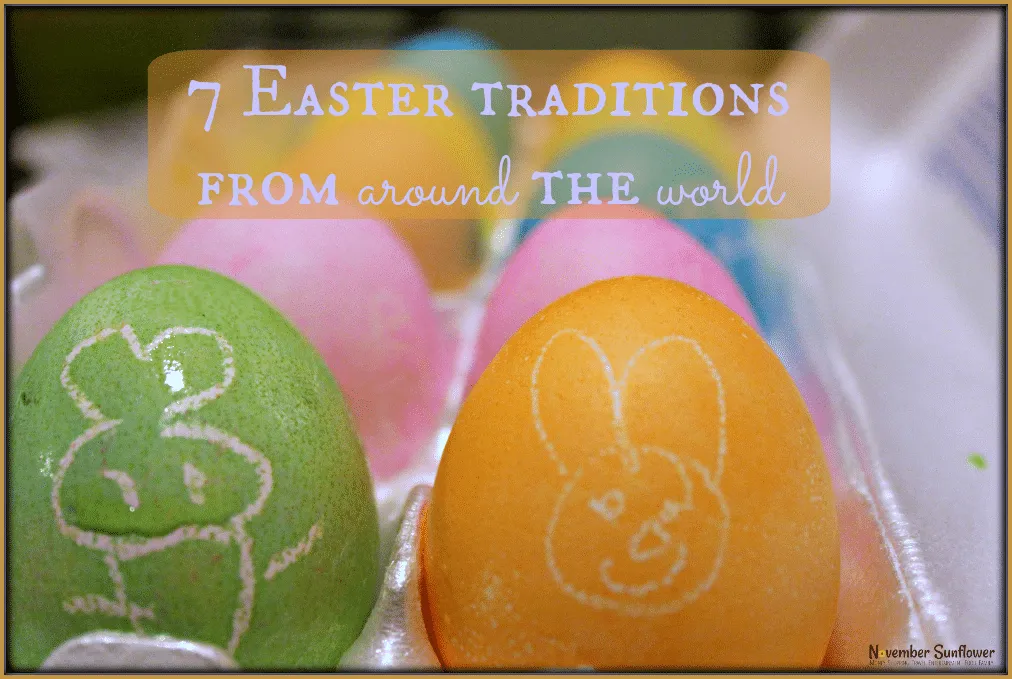
Decorated eggs, which symbolize new life, have been part of Easter traditions since early Christianity. The practice of dyeing and decorating eggs has become a beloved activity for families, particularly during Easter egg hunts that gained popularity in the 18th and 19th centuries. These hunts not only entertain children but also serve as a way to commemorate the joy of the season.
The Easter Bunny, known as the ‘Osterhase’ in 17th-century Germany, has become a central figure in Easter celebrations, bringing joy to children through the tradition of egg-laying. This whimsical character has evolved into a symbol of Easter, alongside the custom of wearing Easter bonnets, which became a popular fashion statement in the 19th century.
Food plays a significant role in Easter celebrations, with families often gathering for a special meal featuring ham or lamb. In Eastern Europe, dishes like smoked kielbasa are traditional, with establishments like State Meats in Parma, Ohio, specializing in these delicacies since 1974. George Salo, a loyal customer, aptly describes Easter as “our Superbowl,” highlighting its importance in the community.
Despite challenges, such as those faced by displaced residents in south Lebanon, the commitment to maintaining Easter traditions remains strong. These individuals continue to celebrate their customs, showcasing resilience and a dedication to their cultural identity. As one observer noted, “The residents have made concerted efforts to maintain their customs, showcasing their resilience and commitment to their identity.”
As the traditions of Easter continue to evolve, the future may bring new practices and adaptations. Families will likely continue to create their own unique customs while honoring the historical significance of the holiday. Details remain unconfirmed about how these traditions may change in response to societal shifts, but the enduring spirit of Easter is sure to inspire generations to come.
