Introduction: The Significance of Dortmund
Dortmund, a prominent city in North Rhine-Westphalia, Germany, is known for its vibrant cultural landscape and robust industrial heritage. With a population of over 600,000, it is one of the largest cities in the German state and plays a crucial role in the region’s economy. Understanding Dortmund’s significance goes beyond its natural beauty and historical landmarks; it reflects broader trends in urban development and economic resilience in post-industrial societies.
Historical Context and Urban Development
Founded in the 9th century, Dortmund has evolved from a medieval trading hub into a modern city recognized for its contribution to Germany’s coal and steel industry during the 19th and 20th centuries. The decline of heavy industry in the late 20th century brought challenges, but Dortmund reinvented itself by investing in technology and services. Major companies like the DSW21 public transport services and the Deutsche Telekom IT service centre have established their operations in the city, supporting a shift from traditional industries.
Cultural Landscape and Activities
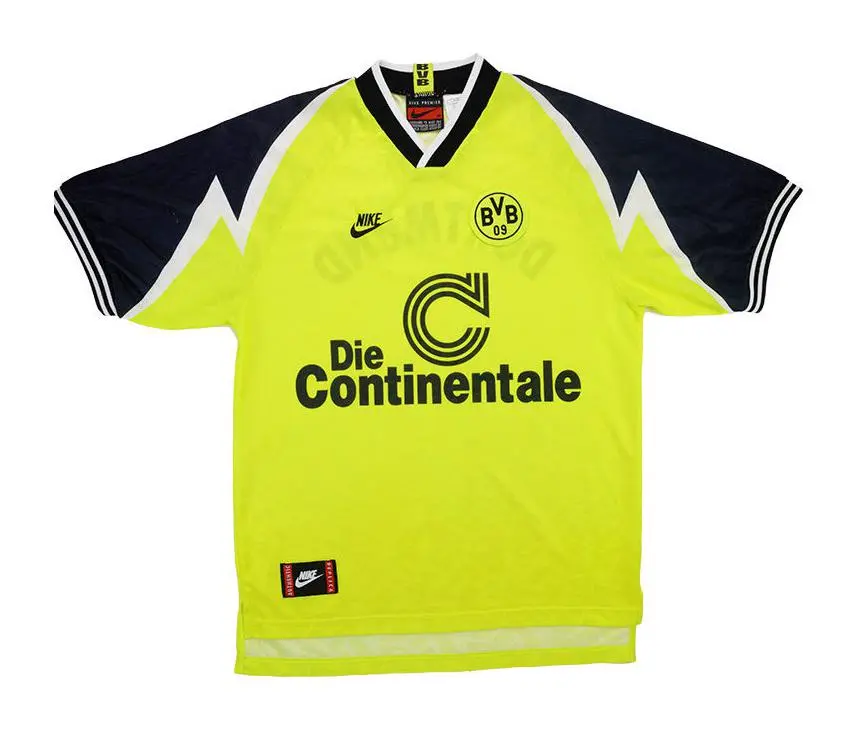
Dortmund boasts a rich cultural scene that includes museums, theatres, and music festivals. The Dortmund U-Tower is a notable cultural hub housing the Museum of Art and Cultural History, along with numerous exhibitions throughout the year. Residents and visitors can also enjoy local beer gardens and the famed RevierSport stadium, home to Bundesliga team Borussia Dortmund. Sporting events contribute significantly to the city’s vibrancy, gathering enthusiastic crowds that underscore Dortmund’s community spirit.
Recent Developments and Urban Challenges
Recently, Dortmund has undertaken several initiatives to address urban challenges such as sustainability and integration. The city aims to enhance its public transport system and reduce carbon emissions, aligning with Germany’s 2030 climate goals. Efforts to promote inclusivity and cohesion among diverse communities have also gained momentum, particularly in the wake of immigration trends in recent years. The city has established community programs and cultural events to foster dialogue and encourage participation from various demographic groups.
Conclusion: Looking Forward
As Dortmund continues to balance its industrial roots with an ambitious cultural agenda, the city’s commitment to innovation and sustainability will shape its future. The transformation experienced by Dortmund serves as a blueprint for other cities navigating the complexities of modern urban challenges. With its rich heritage and forward-looking initiatives, Dortmund remains a noteworthy example of resilience and adaptability, promising a bright future for both its residents and visitors alike.
