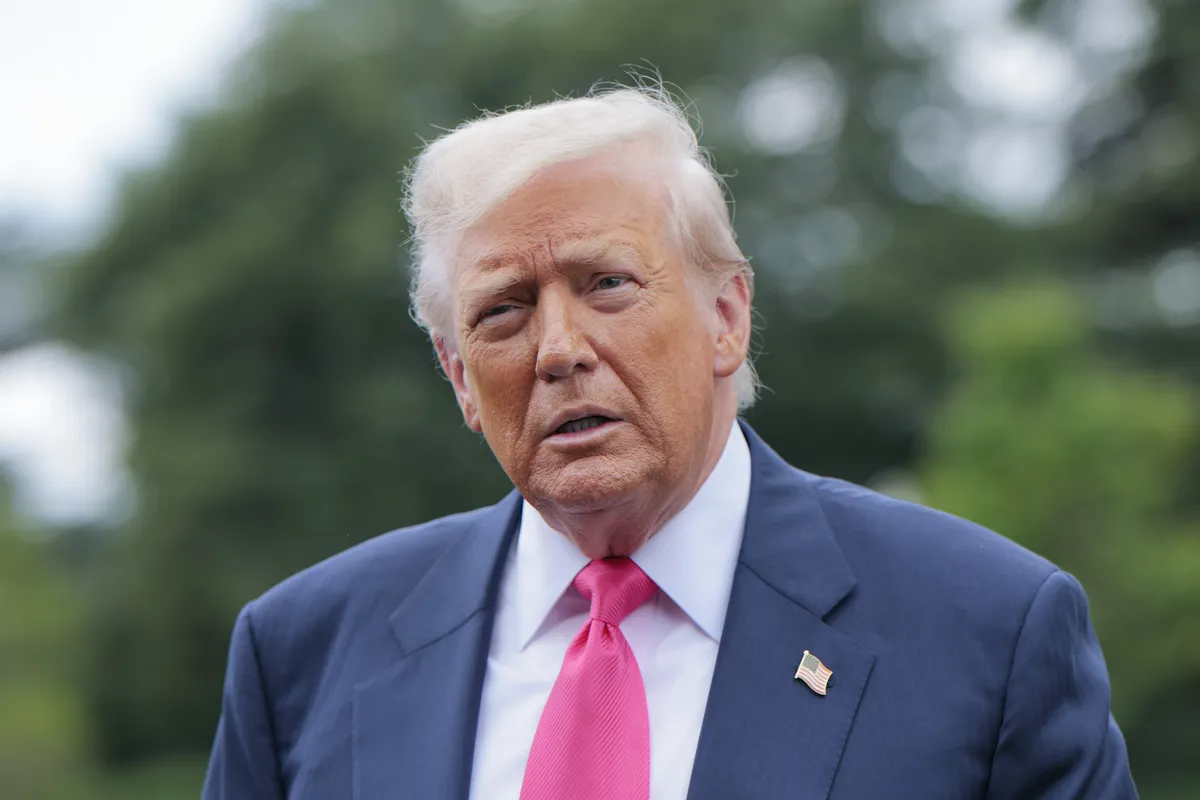
Donald Trump was evacuated from the White House Correspondents’ Dinner after gunfire erupted, targeting high-ranking government officials. This shocking incident underscores a significant security breach during an event intended to celebrate freedom of the press.
The chaos unfolded shortly after 8:20 PM when a shooter identified as Cole Tomas Allen, 31, opened fire. He was armed with two firearms and multiple knives. Fortunately, Secret Service agents apprehended him before he could enter the dinner hall. However, one agent sustained injuries from gunfire but was protected by a bulletproof vest.
Trump described the shooter as a “lone wolf” and “crazy,” reflecting his disbelief at the violence that erupted in what should have been a night of celebration. Mark Carney, a notable figure present at the event, emphasized that “political violence has no place in a democracy.” Such sentiments resonate deeply with many Americans who are increasingly concerned about gun violence and political safety.
The Hilton hotel in Washington has historical significance—previously being the site of an assassination attempt on President Ronald Reagan in 1981. This context matters because it raises questions about security protocols at venues hosting high-profile events. After all, if such incidents can occur in places meant for dialogue and celebration, what does that say about our current climate?
Christine Fréchette remarked that “this type of event must remain a space for dialogue, not violence.” Her words highlight an essential truth: we must protect forums for free expression amidst rising tensions. The cancellation of this year’s dinner due to the shooting incident only amplifies these fears and questions.
Trump had not attended the dinner during his presidency until this year, making his evacuation even more poignant. His comments on the Hilton’s safety—”It is not a particularly safe building”—echo concerns shared by many regarding venues frequented by public figures.
As security agencies assess this incident’s implications, observers are left wondering how it will influence future gatherings of this nature. With ongoing discussions about gun control and political safety gaining momentum, this event may serve as a catalyst for change.
The immediate aftermath leaves us with more questions than answers: How will security protocols evolve? What measures will be taken to ensure such violent acts do not recur? The urgency of these discussions has never been clearer.
