Recent Developments in Trade Relations
Trade relations between the United States and Canada have been a focal point during Donald Trump’s presidency, characterized by a series of contentious policies and public sentiment. Just before a significant ruling by the U.S. Supreme Court, the Trump administration had been actively pursuing a trade investigation into excess industrial capacity among 16 major trading partners, although Canada was notably not included as a target in this probe.
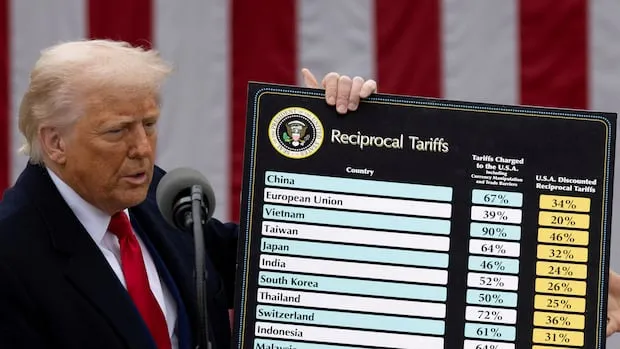
On the day of the ruling, the Supreme Court struck down President Trump’s global tariffs, declaring that they were imposed illegally. This decision marked a pivotal moment in the ongoing trade war that has persisted for over two years, particularly affecting the dynamics between the U.S. and Canada. U.S. Trade Representative Jamieson Greer commented on the ruling, stating, “The policy remains the same — the tools may change depending on, you know, the vagaries of courts and other things.” This statement underscores the administration’s commitment to addressing perceived unfair trading practices.
Greer further emphasized the administration’s objectives, asserting, “He’ll find a way to deal with unfair trading practices. He’ll find a way to get our trade deficit down. He’ll find a way to protect U.S. manufacturing.” These remarks reflect a broader strategy aimed at safeguarding American jobs while navigating the complexities of international trade.
Public opinion appears to be leaning against imposing tariffs on Canada. A recent survey revealed that 51% of U.S. respondents do not support any tariffs on Canada, with a notable 72% of registered Democrats sharing this sentiment. Additionally, 73% of Americans hold a favorable view of Canada, indicating a strong preference for maintaining positive trade relations.
Moreover, 52% of Americans view Canada as either the most important or a very important trading partner to the U.S. This data suggests that despite the ongoing trade war, there is a significant portion of the American populace that values the economic relationship with Canada and is wary of potential tariffs that could disrupt it.
As the situation evolves, the impact of new import taxes on existing trade agreements remains unclear. Details remain unconfirmed, leaving stakeholders in both countries to navigate the uncertainties surrounding future trade policies.
In summary, the trade relations between Donald Trump and Canada are currently in a state of flux, influenced by legal rulings, public opinion, and ongoing investigations. The administration’s approach continues to focus on protecting American jobs while also considering the broader implications of its trade policies on neighboring Canada.
