Introduction
Ulaanbaatar, the capital city of Mongolia, serves as the cultural, political, and economic center of the country. With a population exceeding 1.4 million, it is home to nearly half of Mongolia’s inhabitants. Understanding the dynamics of Ulaanbaatar is crucial for grasping the nation’s rapid development, the challenges of urbanisation, and its unique cultural heritage.
Cultural Significance
The city is steeped in history, dating back to its founding in 1639 as a nomadic Buddhist monastic center. It has evolved significantly over the centuries, transitioning from a tent camp to a bustling metropolis. Major landmarks such as the Gandantegchinlen Monastery, Sukhbaatar Square, and the National Museum of Mongolia illustrate the rich cultural tapestry of Ulaanbaatar. These sites attract local and international tourists, fostering cultural exchange and tourism revenue.
Urban Development and Challenges
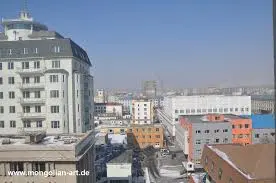
In recent years, Ulaanbaatar has witnessed rapid urban growth, driven by internal migration and economic opportunities. The city has attracted significant foreign investment, particularly in infrastructure, housing, and energy sectors. However, this growth brings challenges. Ulaanbaatar frequently faces issues like air pollution, traffic congestion, and inadequate housing. Recent studies have shown that the city ranks among the most polluted capitals in the world, prompting government initiatives aimed at environmental improvements.
Recent Developments
The COVID-19 pandemic has influenced urban dynamics, sparking conversations about sustainable development and green urban initiatives. The city is now embracing projects aimed at enhancing public transport, expanding green spaces, and improving waste management in response to both the pandemic impact and longstanding urban issues. As of 2023, the Ulaanbaatar city administration has launched new plans to promote electric vehicles and renovates public buses to help combat air pollution.
Conclusion
Ulaanbaatar stands at the forefront of Mongolia’s transformation, balancing its rich history with the demands of a modern economy. As a city filled with both promise and challenges, its future hinges on sustainable development that embraces its unique cultural identity while addressing urban problems. For citizens and investors alike, understanding Ulaanbaatar’s evolving landscape will be key in navigating the future of this vibrant city.
