Introduction
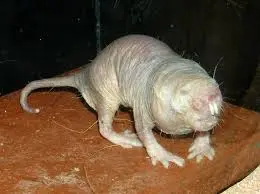
The naked mole rat (Heterocephalus glaber) is an extraordinary creature native to the arid regions of East Africa. With its hairless appearance, incredible longevity, and unique social structure, this small rodent has garnered significant attention from scientists and nature enthusiasts alike. Understanding the biology and behaviour of the naked mole rat not only enriches our knowledge of mammalian evolution but also holds potential implications for medical research, particularly in studying age-related diseases and cancer resistance.
Physical Characteristics
The naked mole rat is characterised by its nearly hairless body, wrinkled skin, and large incisors that protrude from its mouth. These dental features enable them to dig extensive burrow systems, which can extend over a mile. This digging ability is vital for their survival, as it provides protection from predators and a stable environment in fluctuating temperatures. Weighing around 30 to 35 grams, these rodents are not only the only eusocial mammals—living in colonies similar to those of bees or ants—but are also notable for their remarkable adaptability to their underground habitats.
Social Structure and Behaviour
Naked mole rats live in highly organised colonies, typically consisting of 20 to 300 individuals led by a single breeding female, often referred to as the ‘queen.’ The rest of the colony includes non-breeding males and females, which work cooperatively to maintain the burrow systems, care for the young, and forage for food. Their social behaviour differs markedly from other mammals, showcasing a level of cooperation that allows them to thrive in harsh environments. This model of sociality raises interesting questions about the evolution of cooperative behaviour in mammals.
Medical Significance
One of the most fascinating aspects of the naked mole rat is its resistance to cancer and its unusually long lifespan, often living beyond 30 years, which is remarkable for a rodent. Researchers have delved into the molecular mechanisms that contribute to this resilience, examining the unique properties of their cells, which appear to have an exceptional capacity to resist the proliferation associated with tumours. Their findings could have far-reaching implications for human health, potentially leading to breakthroughs in cancer treatment and insights into the ageing process.
Conclusion
The naked mole rat represents a unique intersection of evolution, social behaviour, and medical research. As scientists continue to unravel the mysteries surrounding this remarkable rodent, we not only gain insights into their biology but also pave the way for advancements in understanding human disease. The study of such extraordinary creatures reinforces the importance of biodiversity and the ongoing need for its preservation, especially in the face of changing environmental conditions.
