Introduction
Ichthyosaurs were remarkable marine reptiles that roamed the oceans during the Mesozoic Era, approximately 250 to 90 million years ago. Their unique adaptations and evolutionary history offer significant insights into prehistoric marine ecosystems and the evolution of marine reptiles. As fossil discoveries continue to emerge, understanding ichthyosaurs becomes increasingly important for paleontologists and enthusiasts alike.
Significance and Characteristics
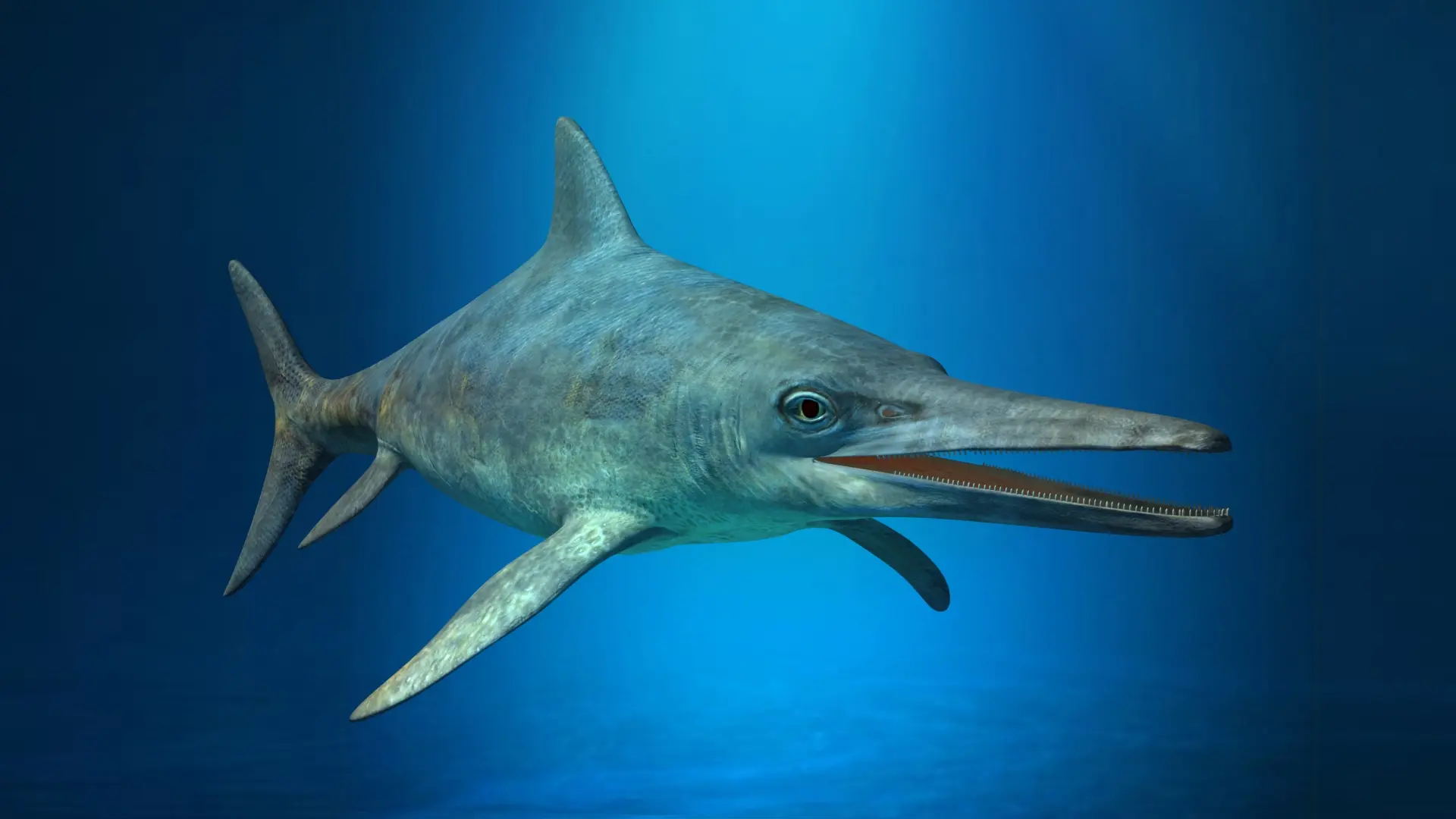
Ichthyosaurs were among the first reptiles to return to the sea, showcasing a fascinating shift in evolutionary pathways. They exhibited a streamlined body shape, similar to that of modern dolphins, which aided in their predatory lifestyle. Ichthyosaurs had long, slender limbs that evolved into flippers, allowing for agile movements through the water.
These creatures varied greatly in size, with some species measuring over 20 feet long. Their skulls were elongated, and many had large eyes, suggesting that they were well adapted to low-light conditions in deep waters. Fossil evidence indicates they were likely warm-blooded, which would have allowed them to thrive in diverse aquatic environments.
Recent Discoveries
Recent fossil finds have shed new light on the behaviour and environment of ichthyosaurs. For instance, discoveries in the UK and Norway have unveiled well-preserved specimens with soft tissues, which offer insights into their skin texture, coloration, and even potential hunting techniques. Additionally, a remarkable fossil discovery at a site in Canada revealed evidence of ichthyosaurs giving live birth, challenging previous notions that these reptiles laid eggs.
Conclusion
The ongoing research into ichthyosaurs underscores their significance in the study of marine evolution and the history of life on Earth. As climate change impacts modern marine ecosystems, understanding prehistoric creatures like ichthyosaurs could provide crucial insights into adaptation and survival strategies. Their fascinating adaptations, behaviours, and the environments they inhabited continue to inspire further research and exploration. Future excavations and advancements in technology promise to unveil even more about these magnificent prehistoric creatures, ensuring their legacy endures in scientific literature and public interest.
