Introduction
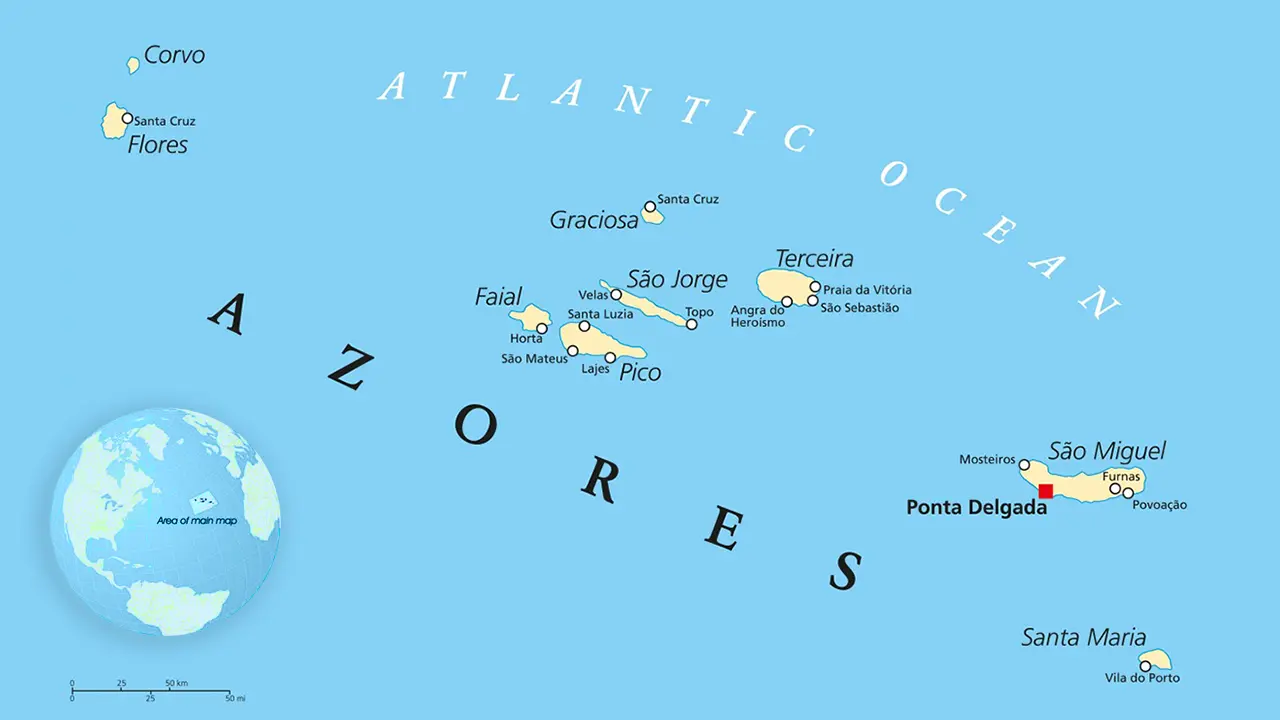
The Azores, an autonomous region of Portugal, consists of nine volcanic islands located in the North Atlantic Ocean. This archipelago is celebrated for its breathtaking natural beauty, rich biodiversity, and unique cultural heritage, making it a valuable destination for eco-tourism and adventure. With the increasing emphasis on sustainable travel, the Azores have gained popularity among those seeking a connection with nature and a respite from traditional tourist hotspots.
Geography and Nature
The Azores are characterized by lush landscapes, dramatic coastlines, and diverse ecosystems. Each of the nine islands—São Miguel, Terceira, Faial, Pico, Santa Maria, Graciosa, São Jorge, Flores, and Corvo—offers distinct features and activities. For example, São Miguel is famous for its geothermal hot springs, while Pico boasts Portugal’s highest peak, Mount Pico, which stands at 2,351 metres above sea level and is a UNESCO World Heritage Site.
The islands are home to a variety of wildlife, with opportunities for whale watching and birdwatching throughout the year. The region is a sanctuary for endemic species and migratory birds, attracting nature enthusiasts and researchers alike.
Tourism and Sustainable Development
Tourism in the Azores has been steadily increasing, spurred by the region’s recognition as a sustainable travel destination. The government is focused on managing visitor numbers and promoting eco-friendly practices. New measures are being introduced to protect the islands’ ecosystems while still allowing visitors to enjoy the natural beauty.
Recent data shows a significant rise in eco-tourism initiatives, such as guided trekking, diving excursions, and agricultural tours. The Azorean government aims to enhance infrastructure in a way that preserves the islands’ integrity. This balance of tourism and conservation is crucial for maintaining the environment that attracts millions of visitors each year.
Cultural Heritage
The culture of the Azores is a unique blend of Portuguese, Spanish, and various other influences, manifested in traditional music, dance, and cuisine. Festivals celebrating religious events and agricultural harvests deeply reflect the local culture. Visitors can enjoy local delicacies, such as ‘Cozido das Furnas,’ a stew cooked using natural geothermal heat, offering an authentic taste of Azorean culture.
Conclusion
As the world continues to embrace sustainability, the Azores stand out as a prime destination for travellers seeking both adventure and ecological integrity. With their spectacular landscapes, rich biodiversity, and vibrant culture, the Azores promise a fulfilling experience for all who venture to these enchanting islands. As awareness of sustainable travel grows, the importance of preserving such irreplaceable destinations becomes ever more crucial, making the Azores an essential consideration for future travel plans.
