Introduction to Kuala Lumpur
Kuala Lumpur, the capital of Malaysia, stands as a testament to the nation’s rapid development and cultural diversity. Its mix of modern architecture, historical sites, and vibrant culture plays a pivotal role in not just the national economy but also in its cultural identity. As the largest city in Malaysia, Kuala Lumpur (KL) is critical for trade, tourism, and foreign investment, making it a significant hub in Southeast Asia.
Recent Developments in Kuala Lumpur
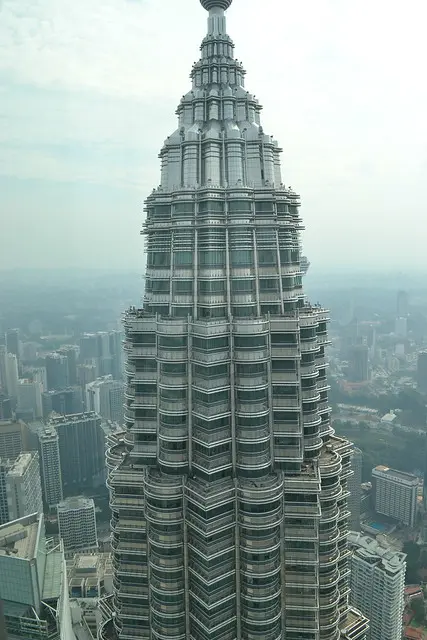
In recent months, Kuala Lumpur has emerged as a key destination for international tourism, recovering steadily from the impacts of the COVID-19 pandemic. With the easing of travel restrictions, tourist arrivals have increased significantly, with numbers reported at 2.1 million in the first half of 2023 alone, a dramatic rise compared to the previous year’s figures. Major attractions such as the iconic Petronas Towers, Batu Caves, and Bukit Bintang have been experiencing a resurgence in visitor interest.
Investment in Infrastructure
The government has also made substantial investments in infrastructure, aiming to enhance the city’s appeal and accessibility. Infrastructure projects, including the ongoing MRT expansions and the new Mass Rapid Transit lines, are designed to improve connectivity within the Klang Valley and facilitate smoother travel for tourists and residents alike. These developments are expected to further boost the local economy and enhance Kuala Lumpur’s reputation as a modern metropolis.
Cultural Engagement and Events
Kuala Lumpur continues to host a rich array of cultural events that showcase its diverse heritage. Festivals like the Kuala Lumpur International Arts Festival and various food festivals highlight the city’s multicultural tapestry, attracting locals and tourists to partake in its vibrant offerings. This cultural dynamism is crucial, especially as Malaysia brands itself as a premier global tourist destination.
Conclusion: The Future of Kuala Lumpur
As Kuala Lumpur progresses, it remains a captivating destination that beautifully balances modernity with tradition. Its potential as a central hub for commerce and tourism is expected to grow, especially with infrastructure improvements and cultural initiatives. For potential tourists and investors alike, Kuala Lumpur signifies opportunities for exploration and economic engagement. The city’s vibrant atmosphere coupled with its dedication to sustainable growth makes it a pivotal player in shaping the future landscape of Southeast Asia.
