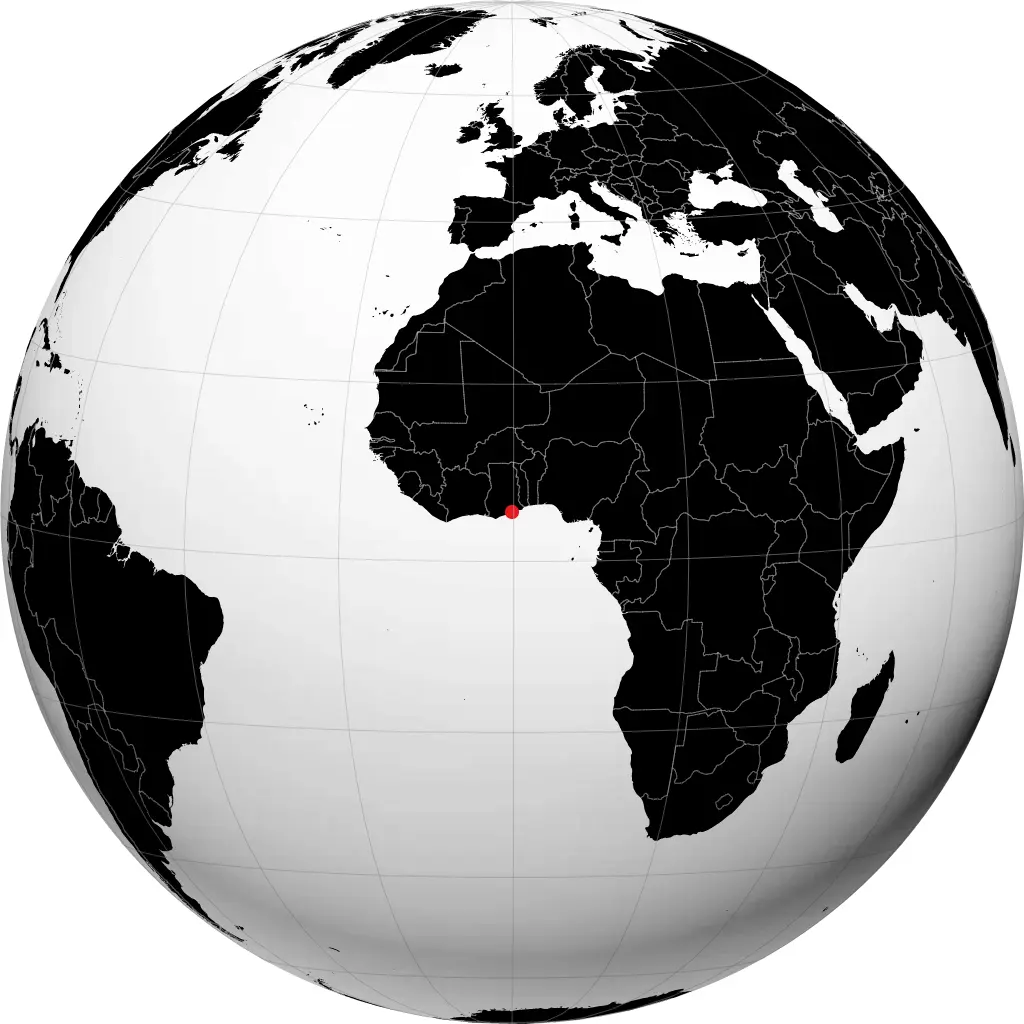
Introduction
Accra, the capital city of Ghana, is a bustling metropolitan area that serves as the political, economic and cultural heart of the nation. With its rich history, vibrant culture, and ongoing urban development, Accra has become a focal point for both tourists and business investors alike. Understanding the dynamics of this city is essential, as it reflects not just Ghana’s heritage but also its aspirations for the future.
Historical Background
Founded in the 15th century, Accra originally began as a collection of several coastal towns, each with its unique identity. The city’s growth accelerated during British colonial rule, and it became the capital of the Gold Coast in 1877. After Ghana gained independence in 1957, Accra continued to expand, shaping itself into a modern city while retaining its historical essence.
Recent Developments
In recent years, Accra has undergone significant urban development. Major infrastructure projects, such as the new automated Kotoka International Airport terminal, have been completed to accommodate increasing air traffic. Additionally, efforts to improve road networks and public transportation systems have been initiated to ease congestion and improve accessibility within the city.
Cultural Significance
Accra is not only important for its economic activities; it also serves as a cultural hub. The city hosts numerous festivals, art exhibitions, and music events that highlight Ghanaian traditions and contemporary creativity. The vibrant arts scene is reflected in places like the Nubuke Foundation, which showcases indigenous and contemporary Ghanaian art. Moreover, traditional markets like Makola and Arts Centre provide an authentic experience of local crafts and cuisine.
Looking Ahead
The city is projected to continue its growth as Ghana’s economic landscape evolves. With an emphasis on technology and innovation, Accra is becoming a centre for startups and tech companies, drawing attention from international investors. This increasing global interest in the city is likely to lead to more infrastructural upgrades and community development projects, benefiting the local population.
Conclusion
Accra stands as a testament to Ghana’s rich history and its ambitious future. As the city continues to evolve, stakeholders in both the public and private sectors are keen on leveraging Accra’s potential. For visitors and investors alike, understanding the unique blend of culture, history, and modernity in Accra is essential for appreciating why it remains a pivotal city in West Africa.
