Introduction
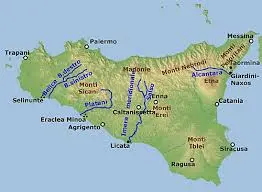
Sicily, the largest island in the Mediterranean Sea, plays a pivotal role in Italy’s cultural and historical landscape. Known for its diverse history, stunning coastlines, and delicious cuisine, Sicily attracts millions of visitors each year, making it an essential destination for anyone looking to explore Italy beyond its mainland. The island’s vibrant culture, marked by its Greek and Roman influences, offers tourists an opportunity to experience a unique blend of traditions and modernity.
Cultural Heritage and Historical Significance
Sicily is a treasure trove of archaeological sites and historical landmarks. The Valley of the Temples in Agrigento, a UNESCO World Heritage Site, houses some of the best-preserved ancient Greek ruins in the world. The city of Syracuse, once a powerful Greek city-state, hosts the magnificent Teatro Greco and impressive ancient ruins which tell the story of its rich past. Additionally, the Arab-Norman architecture in Palermo showcases the island’s diverse influences over the centuries, a testament to its strategic location in the Mediterranean.
Natural Beauty and Attractions
The island’s landscape is equally compelling, featuring a mix of sandy beaches, rugged cliffs, and volcanic mountains. Mount Etna, Europe’s highest and most active volcano, offers not only a thrilling experience for adventurous tourists but also a chance to witness its volcanic vineyards that produce renowned wines. The picturesque beaches of Taormina and Cefalù are popular destinations known for their stunning views and crystal-clear waters, drawing sun-seekers and nature lovers alike. Furthermore, charming villages like Noto and Modica, famous for their Baroque architecture and chocolate, provide a glimpse into the island’s artisanal delights.
Modern Sicily: Cuisine and Festivals
Sicilian cuisine is a vibrant tapestry of flavours influenced by the island’s history. From fresh seafood and pasta alla Norma to cannoli and granita, the culinary scene is a reflection of both traditional recipes and innovative practices. Local markets, such as the Ballarò Market in Palermo, offer an authentic taste of Sicilian life, bustling with colourful produce and the vibrant atmosphere of local vendors. Additionally, festivals like Infiorata di Noto and the Feast of Saint Agatha in Catania celebrate the island’s rich traditions, allowing visitors to immerse themselves in the local culture.
Conclusion
In summary, Sicily stands out not only as a geographical gem but also as a cultural and historical wonder, encapsulating the essence of Italian life in its own unique way. As travel continues to rebound post-pandemic, Sicily is poised to remain a top destination for those seeking an unforgettable experience filled with rich history, stunning landscapes, and delectable cuisine. For anyone considering their next travel destination, Sicily promises to deliver multifaceted experiences that cater to every type of traveller.
