Introduction
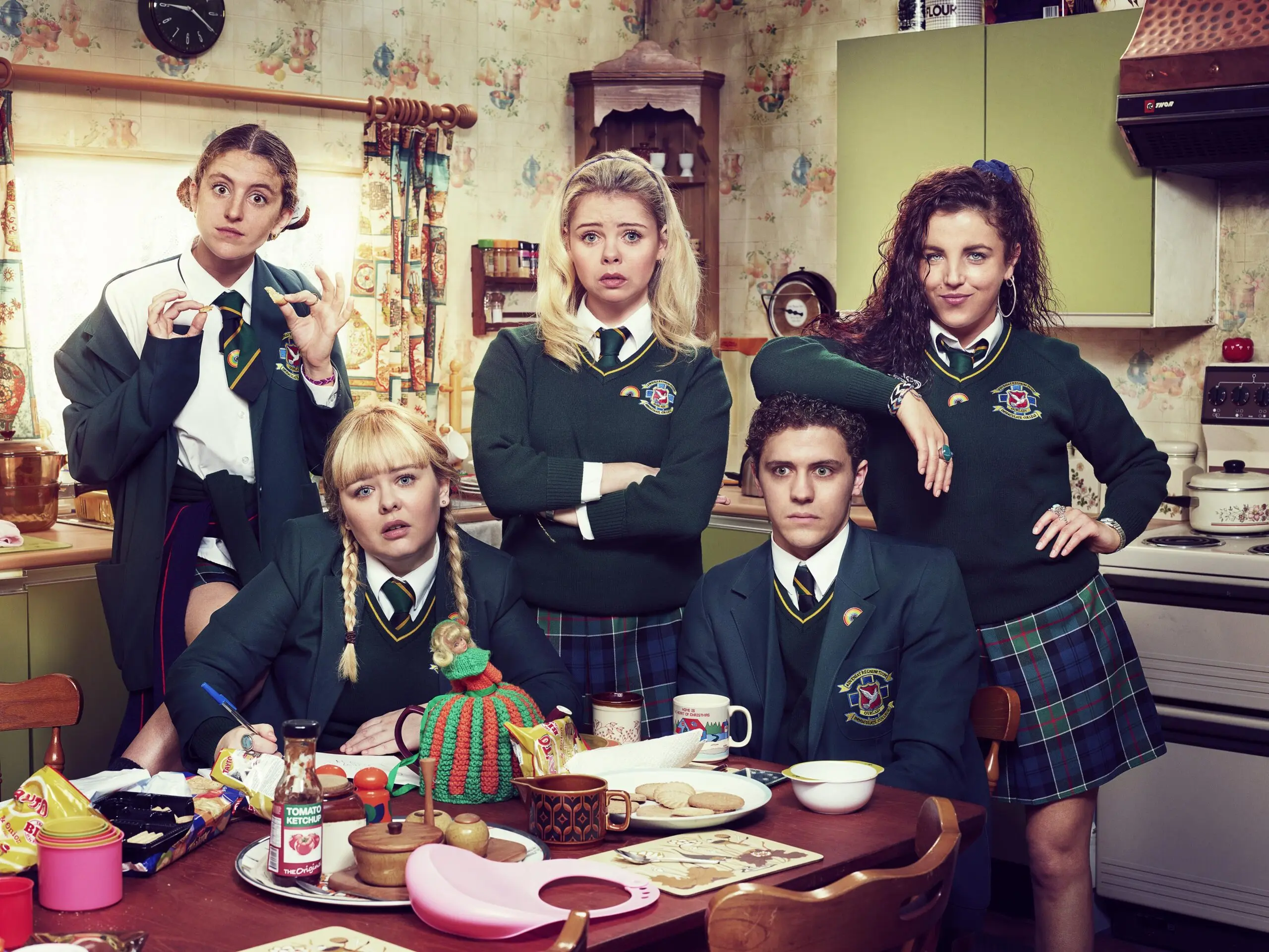
Derry Girls is a British-Irish sitcom that has taken the world by storm since its debut in 2018. Set against the backdrop of Northern Ireland in the 1990s, it chronicles the lives of a group of teenage girls navigating adolescence amid the tumultuous period known as The Troubles. The show’s unique ability to blend humour with historical context has resonated with audiences both locally and internationally, making it a significant cultural touchpoint.
The Show’s Background and Themes
Created by Lisa McGee, Derry Girls is primarily set in the city of Derry, during the height of the Troubles, a conflict marked by political violence and social unrest. The series follows Erin, Orla, Clare, and James, as well as Erin’s cousin, who deals with the comedic and often chaotic moments of teenage life. The series authentically portrays the social dynamics of the time, infusing iconic pop culture references and showcasing Northern Irish dialects.
The brilliant blend of laugh-out-loud moments and poignant commentary on the socio-political landscape has earned Derry Girls critical acclaim. The show’s cast, featuring Saoirse-Monica Jackson, Louisa Harland, Nicola Coughlan, and Jamie-Lee O’Donnell, has won the hearts of viewers, providing relatable characters and unforgettable performances.
Recent Developments and Impact
The series concluded with its third season in April 2022, leaving a considerable cultural impact. Amidst the series, the ensemble cast and crew celebrated the showing of resilience and hope during challenging times, which continues to resonate with the audience today. The show has received numerous accolades, including BAFTA TV nominations, underscoring its significance in contemporary television.
Derry Girls has also sparked conversations about Northern Irish history and has opened up opportunities for further discussion about youth culture in divided societies. As audiences engage with the themes of the show, many reflect on how traumas can be addressed through comedy and community.
Conclusion
As Derry Girls wraps up its joyful yet complex narrative, it has left behind a legacy that extends beyond entertainment. It has become a lens through which many understand the challenges of growing up in a divided country, balancing humour and heartache. The series encourages discussions on identity, culture, and the importance of friendship, making it not only a significant piece of television but also a vital part of the conversation surrounding Northern Ireland’s past and present.
